Club Sports: Families Pay Premiums for Youth Athletes as Private Equity Enters the Field
Parents are spending hundreds monthly on travel teams and private training, a trend that critics say is replacing the love of the game with a commercialized grind for young players.
By John Ferrari ·
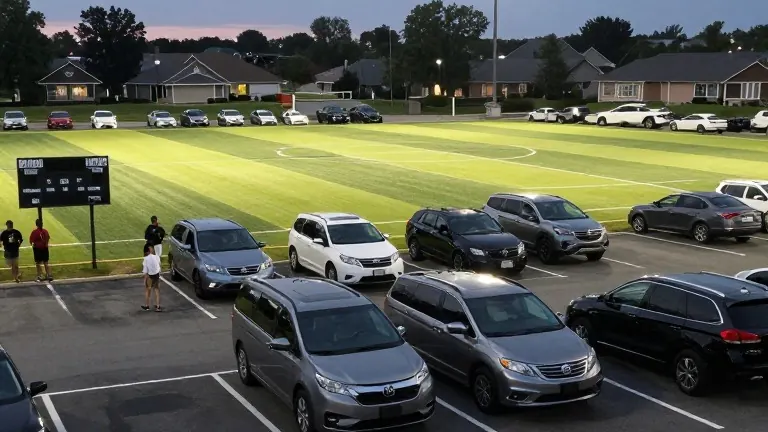
The cost of youth athletics has shifted from a family activity to a multi-hundred-dollar monthly expense for many American households. This financial burden is becoming a standard expectation rather than an option, fundamentally altering how children engage with sports.
Parents are now paying for club memberships, specialized equipment, professional coaching, and even tickets to watch their children perform. This trend extends to travel sports, where families invest in high-level competition for players who are often as young as eight years old. The focus has moved from camaraderie and fun to maximizing athletic output and securing future opportunities.
Private equity firms are increasingly acquiring stakes in these youth development programs. This financial injection aims to expand the industry's profitability but introduces corporate structures into what was traditionally a community-driven environment. Critics argue this shift prioritizes revenue over the developmental needs of the athletes.
The pressure to specialize early has created a competitive atmosphere among parents as much as it has among players. Some guardians view their child's athletic success as a direct reflection of their own parenting and social standing. This dynamic can lead to burnout, with many children quitting organized sports before reaching high school or college levels.
Atlanta Braves player Matt Olson addressed the intensity of youth baseball in a recent interview. He noted that a single tournament weekend does not determine a player's future success. Olson advised parents to keep the experience joyful and educational rather than treating it as a life-or-death situation.
"Relax. A kid is not going to make the big leagues based on what happens in their 12-year-old season," Olson said. He emphasized that he has seen players cut from high school teams go on to have professional careers, while others who excelled in youth leagues never made it. His message urged coaches and families to focus on teaching and learning rather than immediate results.
The current model relies on continuous participation to maintain revenue streams. This structure discourages casual play and favors families with the means to sustain long-term investment. The result is a two-tier system where access to high-level competition is dictated by financial resources.