Council Director Lists Low-Cost Home Fixes to Prevent Falls
Tara Ballman identifies trip hazards, lighting issues, and sensor technology as key areas for families to address before a crisis occurs.
By Alessia Romano ·
Small modifications to residential spaces can reduce the risk of falls among older adults, according to the National Aging in Place Council.
Tara Ballman, the organization's executive director, discussed specific adjustments and monitoring tools on the program Aging Untold on November 11, 2026. She emphasized that families should evaluate their homes for hazards before an emergency forces a decision.
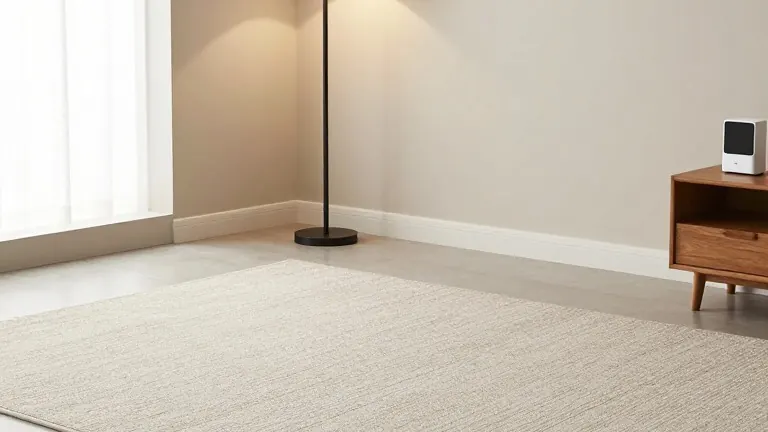
Ballman identified trip hazards and lighting as two primary areas for low-cost intervention. She noted that throw rugs with curled edges, electrical cords running to lamps, and shoes piled near entryways create common obstacles. Clutter from pets or robot vacuums also contributes to the risk. She advised residents to walk through their homes with fresh eyes to identify these specific objects.
Lighting levels require adjustment as vision changes with age. Ballman stated that eyes may need more illumination in certain rooms, while excessive brightness can create dangerous glare. She recommended automatic sensors for lights along the path from the bed to the bathroom at night. She also suggested sensors for exterior doors, multiple floors, and ceiling or floor fixtures. She described these automatic lights as essential for every home, regardless of the age of the residents.
Long-distance caregivers can detect when a home no longer supports an older adult by observing changes in routine. Ballman suggested checking whether a loved one is sleeping in a bed or on a sofa. She also recommended asking if the individual is using a shower or sponge bathing at a sink. These shifts in behavior indicate that the current living arrangement may be failing.
The council promotes age tech as a safety net that does not require surveillance cameras. Ballman listed several examples of this technology. A sensor on a door can track how often it opens, which is useful for someone who lets dogs in and out frequently. Countertop systems can dispense medication daily to prevent missed doses. Smart toilet seats can measure blood pressure, heart rate, and oxygen levels based on sitting and standing patterns.
Other devices include pressure-sensitive grab bars that sense extra weight and pressure-sensitive floor mats that alert a loved one if a fall occurs in the bathroom. Ballman stated that these tools allow families to ensure safety without placing cameras in the home. Gerontologist Sam Cradduck, who appeared on the program, said the goal is to preserve dignity and longevity at home while maintaining safety nets.
Ballman encouraged families to begin conversations about home safety before a crisis hits. She told listeners to get comfortable with being uncomfortable because knowledge provides power. Researching options ahead of time gives families more choices than deciding during an emergency. She noted that families in a crisis often face many options without knowing how to pay for them.
The program provided the information for educational and informational purposes. It did not constitute medical advice. Listeners seeking personal medical advice were told to consult a licensed physician.