Democratic win lacks veto override power
New House leadership faces Republican Senate obstruction and a president who says he will veto everything.
By Luana Sato ·
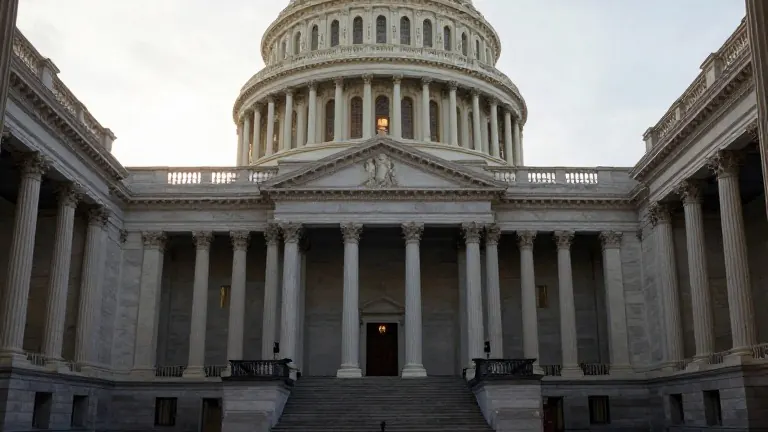
Democrats control both chambers of Congress, but they lack the two-thirds supermajority needed to override a presidential veto. This structural limitation defines their immediate legislative agenda. Hakeem Jeffries, the presumptive next speaker of the House, stated the party intends to fight to make the country affordable for every American. He acknowledged the challenge ahead of the new session.
NPR congressional correspondent Barbara Sprunt noted that Democrats must communicate clearly about their constraints. She warned that voters may feel disappointed if the party overpromises. Matt Bennett, co-founder of the centrist think tank Third Way, explained that the campaign promise was to return Democrats to power to check the president for two years. He said voters might have focused only on the promise to improve their lives, ignoring the two-year waiting period for full control.
Democratic leaders plan to use their control of the House agenda to force votes on popular measures. Sprunt cited the release of Epstein files last year as a precedent. Republicans blocked the initial effort, but the measure eventually reached the floor. Republicans voted nearly unanimously with Democrats to release the files. This tactic forces the opposing party to take a public position on issues with strong public support. Sprunt also pointed to the 2007 minimum wage increase, which was signed into law by Republican President George W. Bush after Democrats controlled Congress.
Gas prices remain a key concern for voters. Lawmakers do not have a direct legislative path to lower fuel prices beyond ending the war in Iran. They can attempt to force a decision through a war powers resolution, though presidents often ignore such measures. Alternatively, they can add provisions to must-pass bills like government funding to stop funding for the war. Any such legislation remains subject to a presidential veto.
President Trump has stated he will veto everything but has also mentioned the possibility of cutting deals. Democrats plan to send bills to his desk to place blame for inaction on him if he vetoes popular measures. Senator Kirsten Gillibrand of New York called this a tool in the party's toolbox. She challenged the president to veto a bipartisan bill to restore Medicaid coverage, arguing it would be difficult for him to defend the veto publicly.
The new majority faces a difficult path between acting immediately and waiting for the 2028 election cycle. They must balance showing action to voters against the reality of Republican roadblocks in the Senate. The party aims to use its control of the House to set the stage for future legislative wins while managing public expectations regarding the president's veto power.