Democrats Secure Dual Majorities, Setting Stage for Investigations and Nominees
With control of both chambers, the new Congress faces immediate hurdles in vetting nominees, launching inquiries, and positioning candidates for 2028.
By Alessia Romano ·
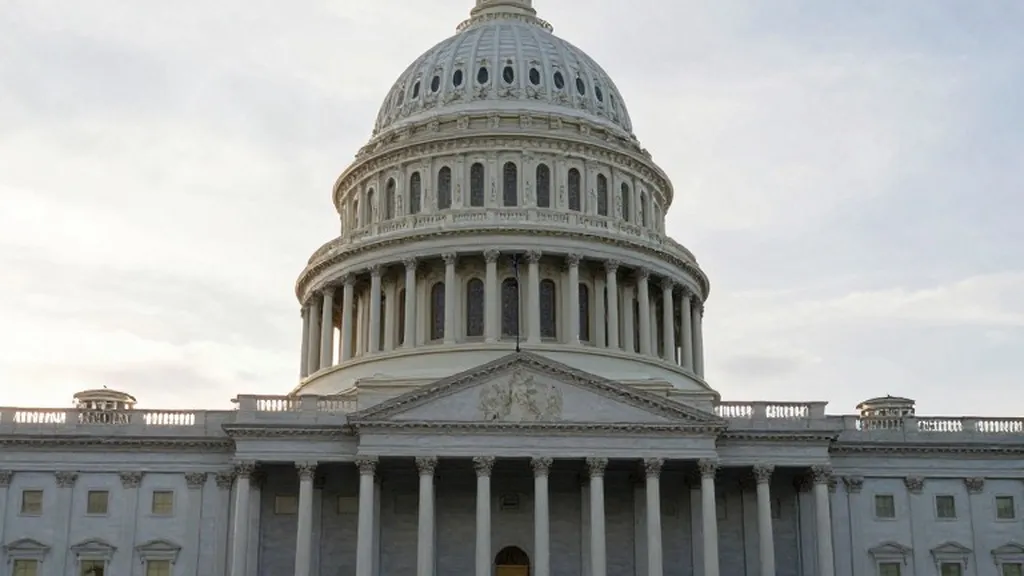
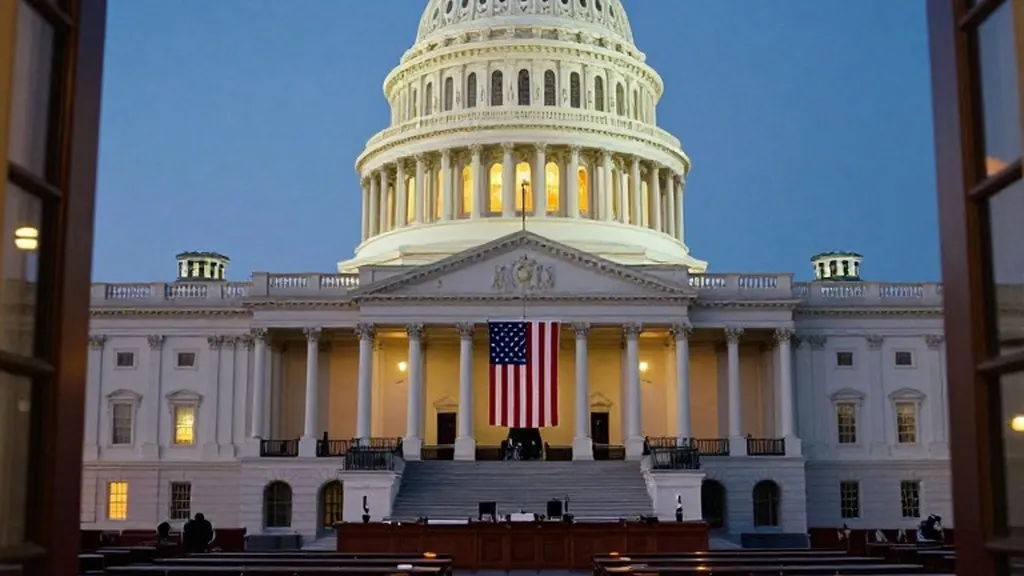
The 2026 midterm election results have firmly placed the Democratic Party in control of both chambers of the U.S. Congress, fundamentally altering the legislative landscape for the final two years of the current administration. According to the compiled election results, Democrats secured a majority in the U.S. House with at least 250 seats, having picked up at least 43 seats from Republicans and independents. In the Senate, the party gained at least seven seats, all previously held by Republicans, resulting in a 54-44 majority. This shift in power marks a significant departure from the previous congressional balance and sets the stage for a more aggressive oversight agenda.
The transition of power to the new Democratic leadership brings immediate questions about the scope and pace of congressional investigations. Representative Bobby Scott of Virginia, who is set to lead the House Committee on Education and the Workforce, has indicated plans to use the committee's investigative authority to examine the Trump administration's education policies. Scott stated he intends to leave no rock unturned in exploring the dismantling of the U.S. Education Department, the oversight of federal student loans, and the administration's anti-discrimination policies. This approach signals a focus on detailed scrutiny of executive branch decisions that have impacted schools and universities.
Senate Democrats are also preparing to utilize their new majority to exert pressure through the appropriations process. Senator Chris Van Hollen of Maryland, a member of the Senate Appropriations Committee, noted that there is a strong interest in using the power of the purse to establish guardrails against the administration's education agenda. Van Hollen described this as a way to stop the bleeding and prevent further damage, although he acknowledged that rebuilding dismantled entities through budget bills is a complex task. This strategy suggests that Democrats will look to condition federal funding to influence how the administration manages higher education and federal student loans.
Beyond education, the new Congress faces the challenge of managing a potential impeachment inquiry that has already gained momentum. Representative Thomas Massie of Kentucky, a Republican, introduced a resolution to impeach Defense Secretary Pete Hegseth on the first day of the new House session. Massie argued that the secretary's actions in the wars in Iran, Yemen, and Venezuela amount to high crimes and misdemeanors. While House Speaker Mike Johnson expressed concern about impeaching a cabinet secretary during active military hostilities, the resolution sets the stage for a vote that could put pressure on the remaining Republican members of the House.
The Senate's role in the coming months will be pivotal, particularly if the House votes to impeach Hegseth. With Democrats holding a 54-44 majority in the Senate, the party now has the numerical strength to conduct a trial and potentially remove the secretary from office. This dynamic changes the balance of power in the legislative branch and provides Democrats with a tool to hold the executive branch accountable. However, the process will require careful coordination between the two chambers and could become a significant political battle in the coming weeks.
The new Democratic leadership also faces the task of vetting and confirming nominees for various positions within the federal government. With control of the Senate, Democrats will have the final say on key appointments, including cabinet positions and federal judges. This power allows the party to ensure that nominees align with their policy priorities and can be held accountable for their records. The process is expected to be contentious, with Republicans likely to challenge nominees who are seen as out of step with their agenda.
As the new Congress convenes, the focus will also turn to the 2028 presidential election cycle. With the midterm results providing a clear mandate for Democratic leadership, the party will begin to position its candidates for the next presidential race. The success of the new congressional majority in the coming two years will likely influence which names rise to the forefront of the 2028 race. Democrats will look to build on their momentum, while Republicans will seek to regroup and present a unified message to voters.
The election results also highlight a broader trend in American politics, with Democrats winning a plurality of state government trifectas and a majority of governorships for the first time since before the 2010 elections. This state-level success provides the party with additional leverage in the coming years and allows them to implement their policies at the state level. The combination of federal and state control gives Democrats a comprehensive platform to advance their agenda and hold the executive branch accountable.
The new Congress will need to navigate a complex political environment, with the executive branch likely to resist some of the party's initiatives. President Trump has already indicated that he will use his veto power to block bills he sees as harmful, which could limit the legislative options available to the new Democratic majority. Despite this challenge, the party's control of both chambers provides them with significant tools to push back against the administration's policies and advance their own priorities.
As the new Congress takes shape, the focus will be on delivering results for voters who supported the Democratic Party in the midterms. The party will need to balance its desire for oversight and accountability with the need to pass legislation that addresses key issues facing the country. The coming two years will be a test of the new leadership's ability to work effectively with the executive branch and to build a cohesive party message for the 2028 election cycle.
The election results provide a clear starting point for the new Congress, with Democrats holding majorities in both chambers and a clear mandate to pursue their agenda. The party's success in the coming years will depend on its ability to navigate the complex political landscape and to deliver tangible results for voters. The focus on investigations, nominees, and the 2028 race will define the new Congress's approach to the final two years of the current administration.