Gold drops below $4,000 as Treasury yields offer investors an alternative
The metal's retreat from its January peak is driven by rising interest rates that make income-generating bonds more attractive than non-yielding precious metals.
By John Ferrari ·
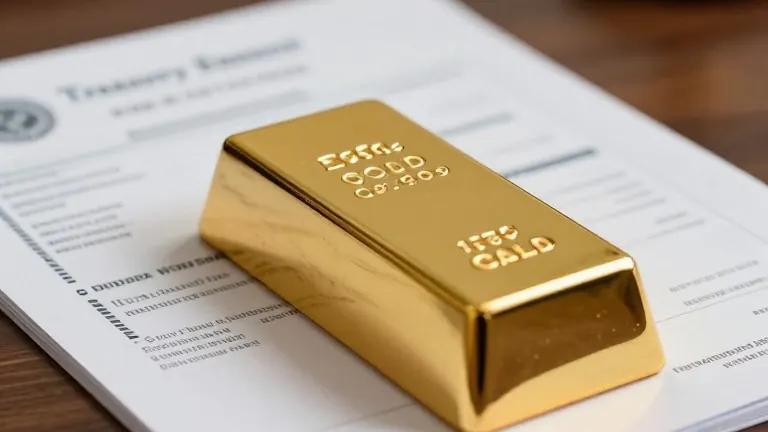
Gold prices have fallen below $4,000 per ounce this week, a sharp departure from the nearly $5,600 peak reached in January. For investors who bought the metal earlier in the year expecting stability, the current decline presents a confusing market signal. While economic uncertainty persists, the traditional safe-haven asset is losing ground against other financial instruments.
The drop occurs despite ongoing geopolitical tensions. The war with Iran continues, and a criminal probe into the Federal Reserve chair remains active. Historically, such events drive money into gold as a protective measure against volatility. However, the market is currently prioritizing income generation over capital preservation.
The primary driver of this shift is the rise in Treasury bond yields. Jeff Guo, a co-host of Planet Money, explained that gold does not generate interest or income on its own. In contrast, a 10-year Treasury Inflation-Protected Security, or TIPS, currently pays investors a return that exceeds inflation. This income stream makes bonds a more compelling choice for capital that could otherwise sit idle in gold bars.
The mechanism linking the Iran conflict to gold prices is also distinct from typical patterns. While the war creates political instability, its immediate economic impact has been a spike in oil prices. Higher oil prices contribute to rising interest rates. As rates climb, the yield on bonds increases, narrowing the gap between the return on gold and the return on government debt.
This dynamic suggests that the war is currently acting as a catalyst for inflationary pressures rather than a direct driver of gold demand. The market is responding to the cost of capital rather than the fear of geopolitical collapse. Investors are calculating that the reliability of Treasury payments outweighs the speculative premium often attached to gold during times of conflict.
The situation illustrates a change in how safe-haven assets are valued. When yields are low, gold competes well because the alternative of holding cash or bonds offers little return. When yields rise, the opportunity cost of holding gold increases. The current environment has made that cost high enough to trigger selling pressure, even in the face of ongoing global instability.
The data points to a market that is sensitive to interest rate movements. The decline from $5,600 to below $4,000 represents a substantial correction. This move is not isolated to gold but is part of a wider adjustment in how investors allocate assets. The preference for TIPS over physical gold signals a market seeking tangible, inflation-adjusted income.
More Business · Consumer Watch · Report a business · Got a Story?