Iranian Women Embrace Fashion Freedom Despite Unchanged Laws
In Tehran, women are increasingly wearing modern, less modest clothing in public, adapting to social shifts despite the official hijab laws that remain in force.
By John Ferrari ·
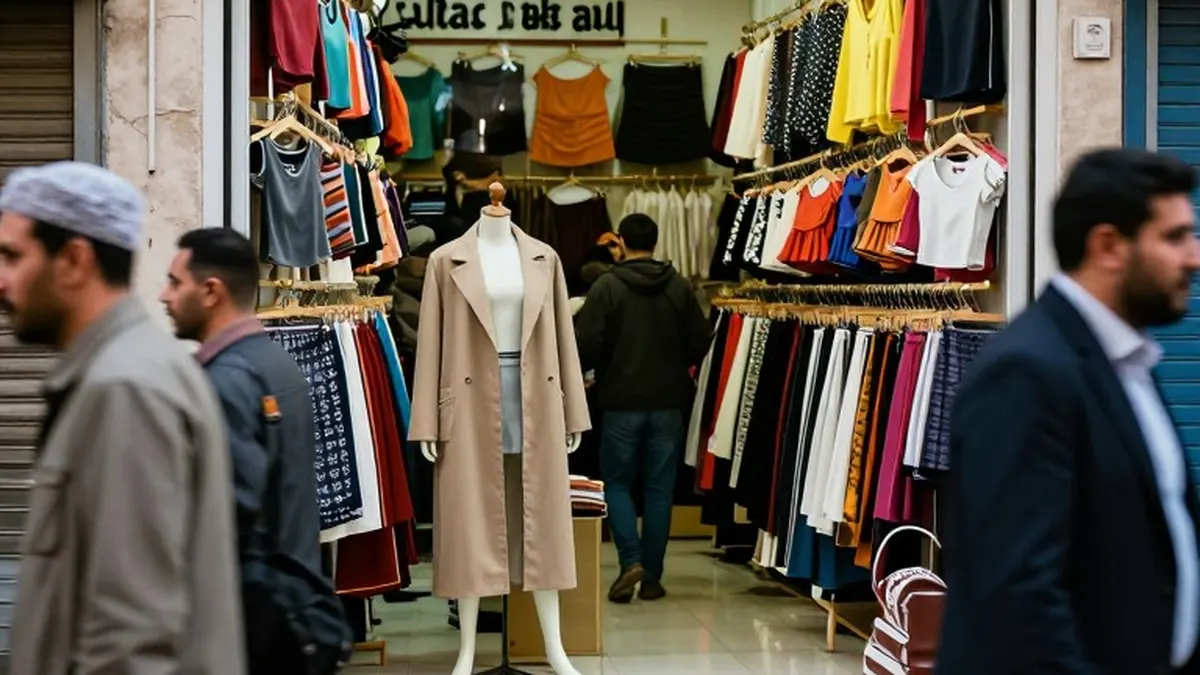
In the heart of Tehran, Pariya Senyari’s clothing store reflects a quiet but significant shift in Iranian society. While the shop window still displays long coats to satisfy conservative expectations, the racks inside are stocked with crop tops and short skirts. Senyari, a 47-year-old shop owner, has adapted her inventory to appeal to younger customers who are increasingly comfortable wearing less modest attire in public, even though the legal dress code remains in effect.
For decades, the shop catered to women accustomed to the strict hijab rules introduced after the 1979 Islamic revolution. These regulations traditionally require women to cover their head and neck. However, Senyari notes that the current generation is less willing to conform to these norms. She stated that they can no longer force this new generation to wear headscarves because they desire freedom in their personal expression.
The relaxation of hijab adherence on the streets became more pronounced following the 2022 protests, which were sparked by the death in custody of Mahsa Amini. Amini had been arrested for an alleged violation of the dress code. Since then, the visible change in women’s clothing has accelerated amid growing political and economic pressures. These pressures stem from ongoing conflicts with the United States and Israel, as well as protests against rising living costs that reached a peak in January of this year.
Street fashion in Tehran has evolved well beyond simply removing headscarves. It now frequently includes sleeveless shirts, ripped jeans, and short skirts. Despite this widespread adoption on the streets, Senyari remains cautious in her retail displays. She explained that she cannot yet stock ripped jeans or place very short skirts on mannequins in the window, hoping that these limitations will eventually be lifted by the authorities.
Although the social norms are shifting, the compulsory hijab laws remain on the books and face strong resistance from conservative factions. On Tuesday, Iranian officials announced the arrest of several individuals in central Tehran. The arrests were made for promoting the abandonment of the hijab and public nudity, following a call by judiciary chief Gholamhossein Mohseni Ejei to act against what he termed abnormal behavior on the streets.
Political rhetoric has also intensified. Last week, the ultraconservative newspaper Kayhan described the removal of headscarves as a destructive weapon used by Iran’s enemies during the ongoing Middle East war. Lawmaker Hassan Ali Akhlaghi Amiri reinforced this view, stating that claims of the hijab laws being abandoned are entirely false and called for stricter enforcement of the existing rules.
Despite the official stance, many citizens believe the government is turning a blind eye to minor infractions to prevent a resurgence of the mass unrest seen in 2022. Niyusha, a 57-year-old jewelry store employee who used a pseudonym, suggested that authorities are granting a degree of freedom to keep the public calm. She noted that while she often goes without a headscarf, she remains vigilant and complies with the rules in areas where it is strictly expected to avoid harassment.
Other shop owners and designers are navigating this complex landscape with care. Alireza, a 42-year-old clothing owner, has added shorter items to his stock but still sells long topcoats for more conservative clients. He believes that while restrictions are easing, proper standards of modesty should still be observed. Similarly, Maryam, a 38-year-old designer in northern Tehran, finds it easier to wear what she likes but uses strategic methods on social media to protect her business. She posts photos of revealing designs in carousels, hiding the models' faces and writing captions in English to create distance from local authorities, admitting that she remains afraid of being questioned.
The situation highlights a tension between the lived reality of Iranian women and the rigid laws governing their appearance. While the streets of Tehran are becoming more colorful and varied, the fear of sudden enforcement means that many women and businesses continue to tread carefully, balancing their desire for freedom with the need for safety.