Lone Elk Park Closes After New Herd Bull Damages Visitor Vehicles
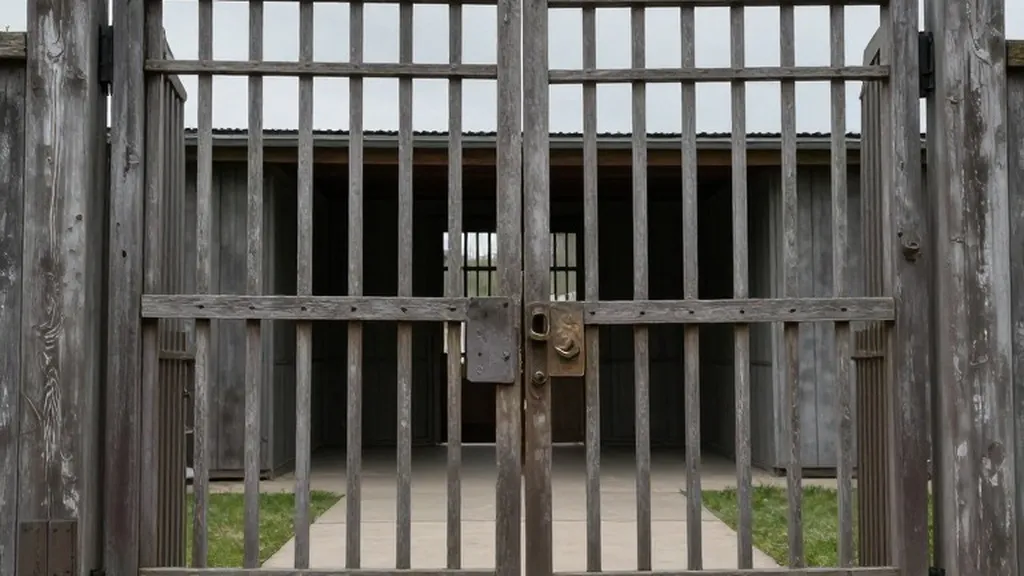
Officials suspended access to the St. Louis County park on Monday, citing the unpredictable behavior of a first-year bull protecting the herd.
By Luana Sato ·
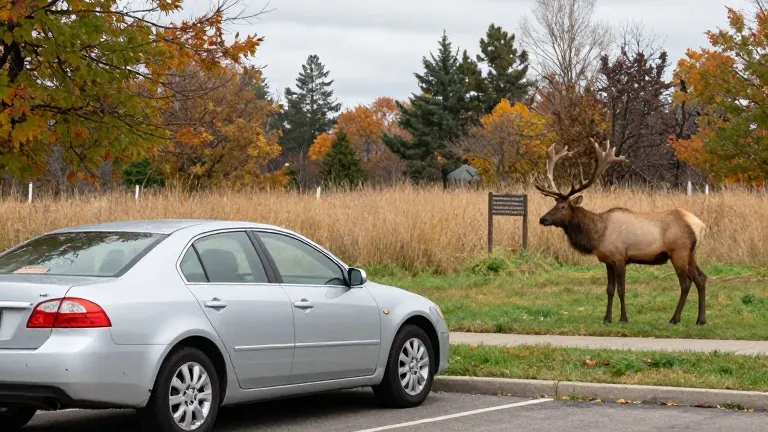
St. Louis County officials shut down Lone Elk Park on Monday, halting visitor access to manage the aggressive behavior of a young male elk. The closure follows a series of incidents where the animal has interacted physically with park-goers and their vehicles. Eric Johnson, the acting director of St. Louis County Parks and Recreation, identified the bull as a first-year herd leader. He described the animal as inexperienced and anxious, comparing its temperament to that of a teenager. The bull has replaced its father as the primary protector of the female elk within the park.
Resident Theresa Hammer experienced the consequences of this new leadership dynamic last week while parked in the lot. Hammer, a long-time visitor to the park, was sitting in her Ford Fusion when she noticed the bull grazing nearby. After briefly looking away, she reported that the animal struck the front of her vehicle with its antlers. The impact scratched the entire side of the car and the hood, while also creating a large dent in the rear quarter panel. Hammer has not yet received a cost estimate for the repairs. She characterized the incident as a known risk of visiting the park, noting that the animal was acting in accordance with its natural instincts. She stated that the responsibility lay with visitors for entering the elk's environment.
County staff had previously installed signage urging visitors to maintain a safe distance from the animals. Johnson indicated that these warnings proved insufficient to prevent close encounters. The department decided on the temporary closure to safeguard both the public and the elk. He emphasized that the goal is to protect the vehicle owners, the pedestrians, and the animal itself from potential stress or injury. Johnson noted that the bull's protective nature is driving the heightened activity. He observed that while some herd bulls maintain a calm demeanor, this individual displays a mix of confidence and nervousness.
With thirty-two years of experience in the field, Johnson estimated that he had only seen ten or twelve instances of a bull exhibiting this level of anxiety during the mating season. He described the current situation as a natural biological response rather than a behavioral defect. The department expects the bull to settle down once the mating period concludes. Johnson indicated that the park is likely near the end of this seasonal cycle. He expressed some surprise at the extended duration of the bull's intense behavior. The park is scheduled to reopen in the coming weeks.
The closure represents a direct response to the specific dynamics of this year's herd hierarchy. No other structural changes to the park were announced during the Monday announcement. The focus remains on monitoring the bull's behavior until the seasonal pressures subside. Visitors are advised to check for updates before returning to the site.