Moscow Airports Face Daily Closures as Drone Strikes Intensify
Ukrainian drone activity has forced major Russian hubs to suspend operations for up to nine hours daily in October, raising concerns over safety and insurance costs.
By John Ferrari ·
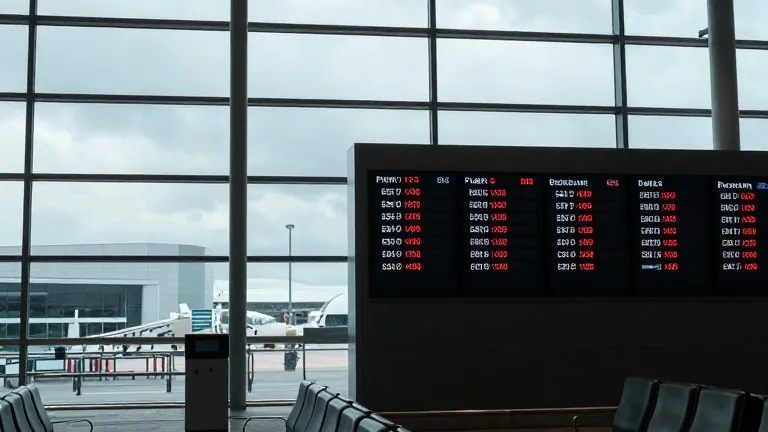
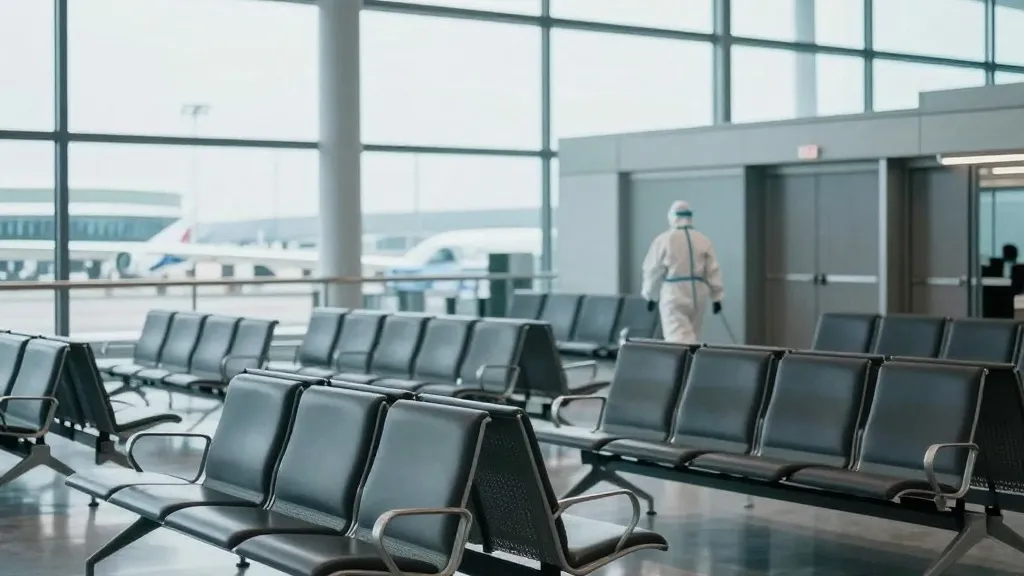
Travelers departing from or arriving at major Moscow airports have faced routine cancellations and delays in October. Domodedovo, Sheremetyevo, Zhukovsky, and Vnukovo airports suspended operations almost every day this month. On the worst days, closures lasted up to nine hours, grounding flights and stranding passengers.
The disruption stems from a stated objective by Ukrainian President Volodymyr Zelenskyy. In early September, he announced that Ukraine would aim to cut off airspace around Moscow and other Russian cities. He warned that Russian airspace would become completely unsafe. The following day, Ukraine sent a formal warning to the International Civil Aviation Organization.
The immediate cause of the closures is a safety procedure used by Russia’s aviation authority, Rosaviatsiya. Known as the carpet protocol, it closes airspace over a region if an aircraft violates borders, weapons are used, or unidentified objects appear in the sky. Oleksandr Laneckij, chief executive of Friendly Avia Support, explained that every drone poses a military threat under these rules. He noted that Ukraine’s capabilities far exceed those of Yemen’s Houthis, who previously disrupted Saudi airspace.
Military analyst Jan Matvejev said Ukraine does not need complex weapons to cause these disruptions. Simple drones without warheads are enough to trigger the protocol. Ukraine’s arms industry can produce hundreds of combat-ready long-range drones daily. Simon Shuster, writing in The Atlantic in October, cited sources who said these efforts are just getting started.
Experts warn that the current method carries risks for civilian flights. Laneckij said Russia might lower the threshold for declaring the carpet protocol. This could increase the chance of incidents similar to the December 2024 crash of an Azerbaijan Airlines flight. Investigators determined that a Russian air defense missile, fired to counter drones, struck the aircraft and killed 38 people. Matvejev added that little has changed in Russia’s protocol since that crash.
Matvejev argued that Russian air defenses are not fully effective against the drones. He stated that if it were easy to shoot them down, Russia would have done so by now. He also noted that a drone collision can be dangerous even without explosives, as drones flown from Ukraine to Moscow weigh dozens of kilograms.
Foreign airlines will decide whether to continue flying to Russia based on three factors: the military threat, passenger demand, and insurance costs. If insurers view the risk as high, they may raise premiums, which would push ticket prices up. Laneckij said the decision depends on the price airlines must pay for the danger they face.