New Orleanians use genealogy and oral history to fill gaps left by Katrina
Twenty years after the storm destroyed physical archives, residents rely on family interviews and digital research to preserve ancestral memories for All Saints’ Day.
By John Ferrari ·
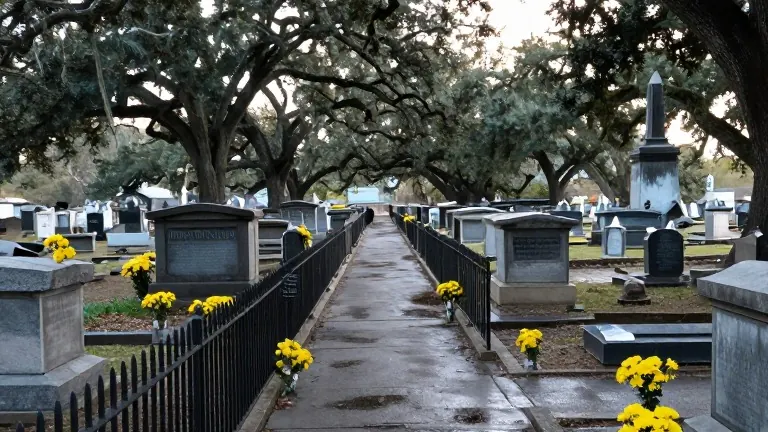
Resident Wellington Brannon, 65, no longer possesses the senior yearbook, prom photos, or funeral program for his sister Terri Ann Brannon. Hurricane Katrina destroyed those items in 2005 when floodwaters submerged 80% of New Orleans. The loss of these tangible records has changed how families in the city prepare for All Saints’ Day on November 1, a day dedicated to honoring the dead.
Brannon says his visual memory of his sister is fading. He worries he will forget specific details such as her facial features and style. Without the photographs to guide him, he relies on the living relatives who share her traits. He notes that her spirit remains in his daughter and other cousins, who inherited her work ethic and sense of humor.
Darrin Francois, 26, uses genealogy archives to reconstruct family histories that physical documents no longer support. Since 2018, he has traced his lineage back six generations using online databases and DNA tests. He visits graves in Mount Olivet, Holt Cemetery, and Providence Memorial Park to leave flowers for ancestors whose locations he has identified through research rather than old albums.
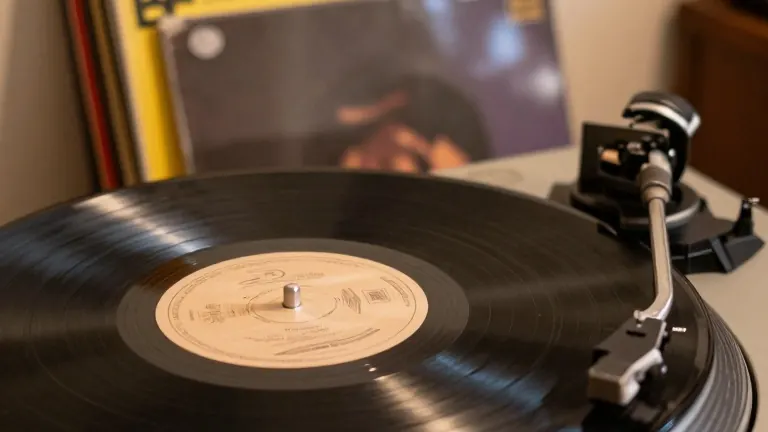
Ann Macdonald, 64, lost her father’s collection of more than 300 music albums and her mother’s 20 shelved photo albums in the storm. Her home in New Orleans took in five feet of floodwater. She rescued some plastic-sleeved photos that were stored in a ground-floor closet. The paper is now crumbly, and she cannot clearly see many of the faces, but she keeps them in plastic bins rather than discarding them.
Macdonald now maintains her father’s garden to keep his memory alive. She tends to the evergreen camellia bushes that her parents planted. She also hosts an annual Christmas Eve family dinner to honor her parents, who were married on that date. This creates new shared experiences in place of the static records that were lost.
Photographers Keith Calhoun and Chandra McCormick lost two-thirds of their archive in 2005. They had stored negatives in plastic bins on high shelves, but eight feet of water reached their Lower 9th Ward home. They froze the waterlogged images to stop mold growth. Five years later, they began scanning the damaged negatives. The resulting prints show splotches and colors that differ from the original shots, creating abstract versions of their historical work.
The couple has used the surviving one-third of their collection to provide images to residents who lost their own records. They have documented Black life in New Orleans for four decades, capturing churches, dock workers, and jazz funerals. Their work now serves as a public reference for families seeking to recover lost personal histories.
Robert Florence, president of NOLA Historic Tours, notes that All Saints’ Day reflects the city’s relationship with the dead. The holiday was originally brought to New Orleans by French Catholic colonists over 300 years ago. It is a Holy Day of Obligation in the Catholic Church, requiring Mass attendance and grave visits. The Archdiocese publishes a schedule for priests to bless local cemeteries, a practice that has become a citywide tradition.