Amazon Withdraws From Northern Virginia After Local Pushback
The tech giant has canceled its plan to build four data centers in Loudoun County, opting instead to develop the site for housing and community spaces.
By Alessia Romano ·
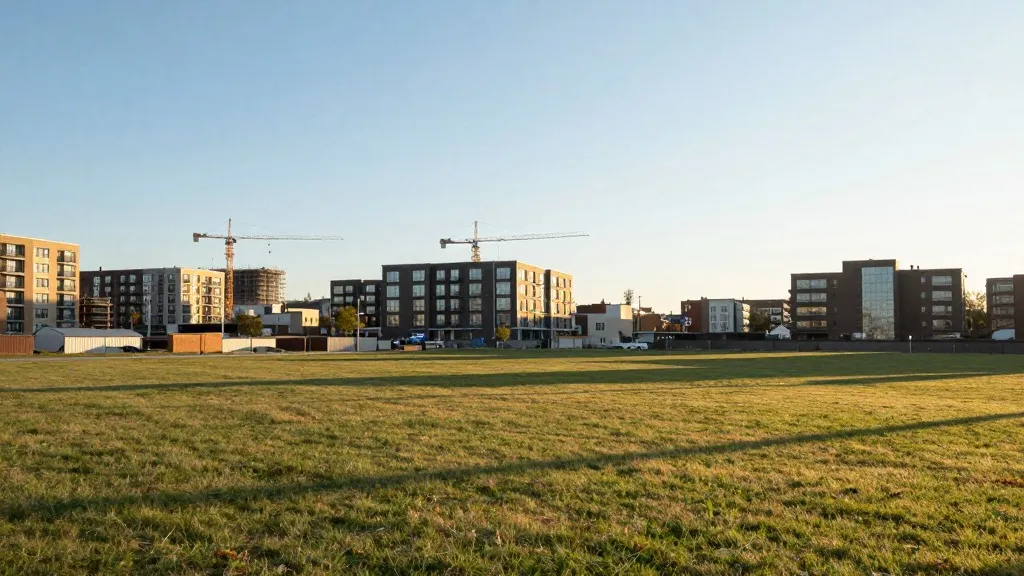
Amazon has officially abandoned its plan to construct four new data centers on a 122-acre parcel in Loudoun County, Virginia, following intense opposition from local residents. The company will now convert the majority of the land, formerly the George Washington University campus, into mixed-use and residential developments. This decision marks a significant reversal for one of the largest hyperscalers in the region, which is already known for having the highest concentration of data centers globally.
As part of the new arrangement, Amazon will donate 25 acres of the property to Loudoun County. These lands are designated for the construction of a community arts center and new recreational facilities. Additionally, the company will contribute $5 million to the county’s housing fund. These financial and physical commitments aim to address the immediate needs of the local population while resolving the dispute over the site’s future use.
The conflict began when Amazon submitted its proposal in July. By September, the company met with Phyllis J. Randall, the Chair of the Loudoun County Board of Supervisors. During these discussions, county officials suggested that an alternative use for the land might be more beneficial than proceeding with the data center buildout. Josh Weissman, Amazon’s vice president for data center development, stated that the company initially wanted to purchase the property but ultimately respected the county’s specific concerns about development at that particular location.
Weissman noted that while Amazon viewed the property’s legal development potential differently than the county did, both parties agreed that a shared vision was preferable to costly litigation. "We concluded that the best outcome for all is to come together on a shared vision for this campus rather than engage in costly litigation," Weissman said. This collaborative approach allowed the county to secure tangible benefits for its residents without the delay and expense of a legal battle.
The decision occurs against a backdrop of rising tensions surrounding data center construction. The rapid expansion of artificial intelligence has increased demand for these facilities, leading to concerns about noise, power consumption, and energy costs. President Donald Trump recently called for data center builders to pay local communities a dividend and to generate their own electricity, potentially selling excess power back to the grid. These federal statements highlight the growing scrutiny of how these massive facilities impact local infrastructure and resources.
County officials emphasized the success of their negotiation strategy. Randall stated that by choosing dialogue over disagreement, the county created an opportunity for its residents. "This agreement provides new places for our Loudoun residents to gather, create, and play. And, most importantly to me, we will provide more attainable homes for working families," Randall said. The shift from a tech infrastructure project to a residential and community-focused development signals a potential change in how Northern Virginia handles future data center proposals.
For Texas and South Central readers, this development underscores the broader national trend of communities pushing back against the rapid expansion of AI infrastructure. As states across the region consider hosting new data centers to meet growing cloud and AI demands, the Loudoun County case may serve as a model for balancing technological growth with local quality of life and housing needs.