Tesla Reveals Cockpit Interface for 2028 Roadster Launch
The manufacturer has released new footage detailing the fighter-jet-inspired dashboard that will define the driving experience for the upcoming supercar.
By Luana Sato ·
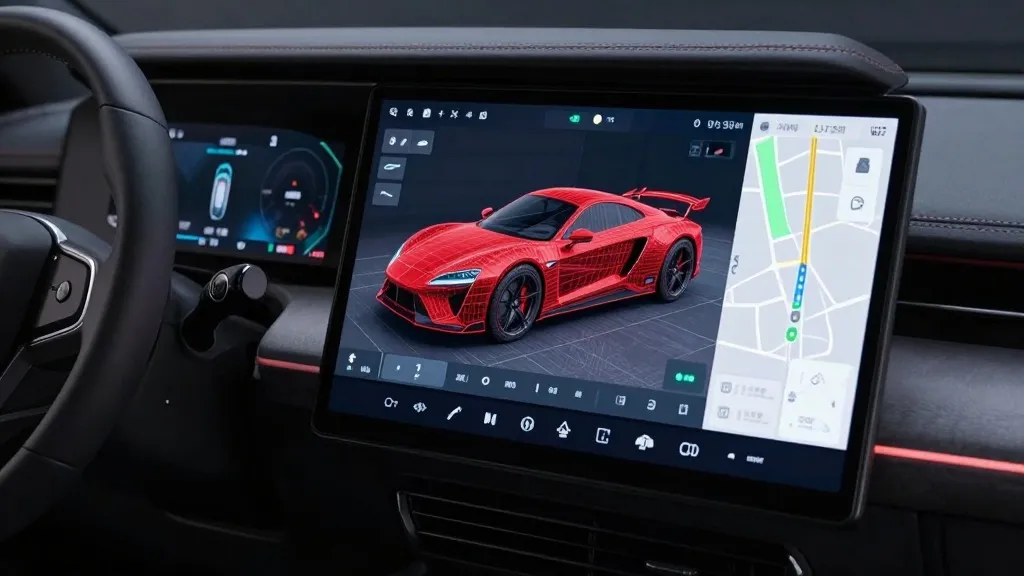
For the first time, potential buyers of the next-generation electric supercar have been given a comprehensive look at the digital environment they will inhabit behind the wheel. The manufacturer released a short video on Friday afternoon that illustrates the vehicle’s user interface, marking a significant step in clarifying the operational experience for those who have placed reservations. This visual update provides a concrete reference point for the software that will govern the car’s performance features, moving beyond conceptual renders to a functional demonstration of the cockpit layout.
The primary design philosophy behind the new display is rooted in aviation aesthetics. The company described the interface as being inspired by fighter jet cockpits, explicitly stating that the layout was designed around the pilot. This approach prioritizes driver-centric information over the map-centered screens found in the rest of the current lineup. The home screen centers on a three-dimensional wireframe model of the car rather than a geographic map, with a squared-off yoke visible beside the display. This structural choice signals a distinct departure from the minimalist interiors of other models in the brand’s portfolio.
The video highlights a dedicated Track Mode that occupies a significant portion of the dashboard’s functionality. Within this mode, drivers are presented with a live circuit map, session lap times, and detailed mechanical telemetry. The screen displays real-time data for brake and motor temperatures, as well as individual pressure and temperature readouts for each tire. This level of granular data suggests a focus on high-performance driving dynamics, allowing users to monitor the health and state of the vehicle’s critical components during spirited driving or track sessions.
Control over the vehicle’s aerodynamics and stability is managed through a specific setup page accessible within the interface. Drivers can select from Auto, Low Drag, High Downforce, or Custom aero modes, while also adjusting aero balance and brake balance. The system allows for the complete deactivation of stability and traction control, catering to experienced drivers seeking maximum performance. At the bottom of the screen, a status bar indicates the state of the propulsion system, displaying a reading of “Thruster · 5,500 PSI” alongside a “Boost Ready” indicator, linking the software directly to the hardware capabilities shown recently.
This software display connects directly to the hardware demonstrations held near Waco, Texas, in October. The Thrust and Rocket configurations utilize cold gas thrusters fed by carbon overwrapped pressure vessels, which are responsible for the vehicle’s extreme acceleration metrics. The company lists 0 to 60 mph times of under 0.9 seconds for the Thrust version and under 0.59 seconds for the Rocket variant. The base Performance model, which lacks the thruster system, relies on a fan and ground sealing system for grip, with the on-screen aero settings corresponding to its active wing and suction capabilities.
The interior layout includes two smaller forward-facing displays in addition to the main central touchscreen. Tesla has not yet indicated whether the advanced telemetry features seen in the Roadster’s Track Mode will be ported to other high-performance models, such as the Model 3 Performance. The interface remains subject to changes before the vehicle reaches the production line, with the company noting that the software is still in a developmental phase. This flexibility allows the engineering team to refine the user experience based on testing and feedback prior to the official launch.
Production of the Roadster is scheduled to begin in 2028, according to statements made by company leadership at recent events. The lineup includes three distinct configurations: the base Performance model, the limited-release Thrust version, and the invite-only Rocket edition. The Rocket version is not currently approved for public road use, positioning it as a track-focused flagship. Reservations for the vehicle are open to the public, requiring a $50,000 payment to secure a place in the queue.
For those eager to examine the physical vehicle, the first public viewing opportunity arrives this weekend. The car will be displayed in the lobby of the Petersen Automotive Museum in Los Angeles from October 24 to 27. This exhibition marks the first time the general public will be able to view the vehicle up close, offering a tangible connection to the digital interface previously only available through video footage. The event serves as a culmination of the recent marketing push, bridging the gap between the software reveal and the physical hardware.