Anthropic IPO Reveals $900B in Future Tech Costs Amid Nvidia Acquisition
New disclosures show massive infrastructure obligations for Anthropic while Nvidia moves to buy Hugging Face, raising questions about the sustainability of current AI valuations.
By Alessia Romano ·
Anthropic has issued a pricing proposal for its initial public offering that values the company at approximately $1.3 trillion to $1.4 trillion. This figure is notably lower than earlier expectations, which had suggested a valuation potentially exceeding $2 trillion. The proposal comes as the company, known for its Claude model, prepares to enter public markets. Investors and analysts are now scrutinizing the gap between this valuation and the company's underlying financial obligations.
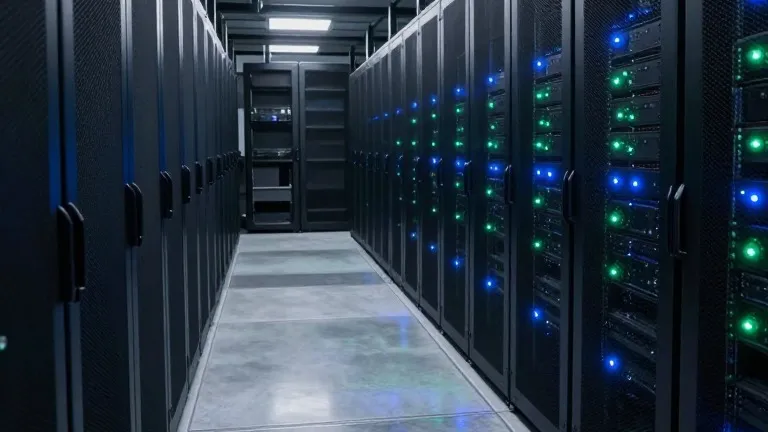
The most significant figure in the latest disclosures is the total amount of purchase commitments and lease agreements. Anthropic reports approximately $900.9 billion in such obligations, primarily related to computing infrastructure. Of this total, about $70.7 billion is due within twelve months of September 30, 2026. A further $451.6 billion is expected to be incurred before the end of 2030. The remaining commitments extend through 2045. While these are contractual obligations rather than immediate debt, they represent a substantial future financial burden.
The company’s revenue growth is rapid, with an October annualized run rate reportedly reaching approximately $81 billion. This is significantly higher than previous estimates of under $20 billion. However, annualized revenue does not equate to profit or free cash flow. To sustain a trillion-dollar valuation, investors must believe Anthropic will generate extraordinary profits over many years to cover the costs of computing, research, personnel, and facilities. The difference between high revenue and sustainable profitability remains a central point of debate.
Underlying these financials is the cost of the hardware required to run these systems. A single high-end GPU can cost roughly $20,000 at retail. In illustrative scenarios, such a device might serve 15 to 20 light users or one or two intensive coding users. If 20 light users pay $20 each, the monthly revenue is $400. It would take 50 months to recover the cost of the GPU alone, before accounting for electricity, cooling, storage, and maintenance. Even with hypothetical wholesale prices as low as $4,000 per accelerator, the break-even period remains significant when all operational costs are considered.
The hardware market is dominated by Nvidia, which stands to benefit regardless of which AI model gains market share. The demand for accelerators and high-bandwidth memory often exceeds supply, leading to higher prices and longer delivery times. Large technology firms can secure capacity years in advance, placing smaller developers at a disadvantage. This dynamic creates an unequal marketplace where financial scale determines access to essential infrastructure.
In September 2026, Nvidia announced an agreement to acquire Hugging Face for approximately $12.93 billion. The deal is expected to close in 2027, subject to regulatory approval. Hugging Face is a central platform where millions of developers discover and distribute machine learning models. Nvidia already controls the CUDA software ecosystem used for GPU computing. Acquiring a major distribution channel adds a new layer of strategic control. Nvidia states that Hugging Face will remain open, but regulators are examining whether this acquisition limits competition among other hardware manufacturers.
A growing alternative to proprietary systems is the rise of open-weight models. Projects from companies like DeepSeek and Alibaba allow developers to download and run advanced AI on their own infrastructure. This reduces dependence on centralized, expensive API services. Quantization technology further enables this by reducing the memory requirements for large models. A 200-billion-parameter model, for example, can be compressed from 400 GB to 100 GB of memory by adjusting precision levels. This makes it possible to run capable AI on less expensive hardware.
The combination of high infrastructure costs, hardware concentration, and emerging open-source alternatives creates a complex landscape for investors. While the technology is advancing, the financial models supporting trillion-dollar valuations face scrutiny. The ability to charge premium prices for AI services may be challenged by options that offer similar capabilities at lower costs. The outcome will depend on how companies manage their massive commitments and how regulators view the consolidation of the AI stack.