
Doctors warn that skin cancer often hides in plain sight as people age
Medical experts say small changes in moles or sores that do not heal are critical indicators, even for spots present for years.
By Alessia Romano ·
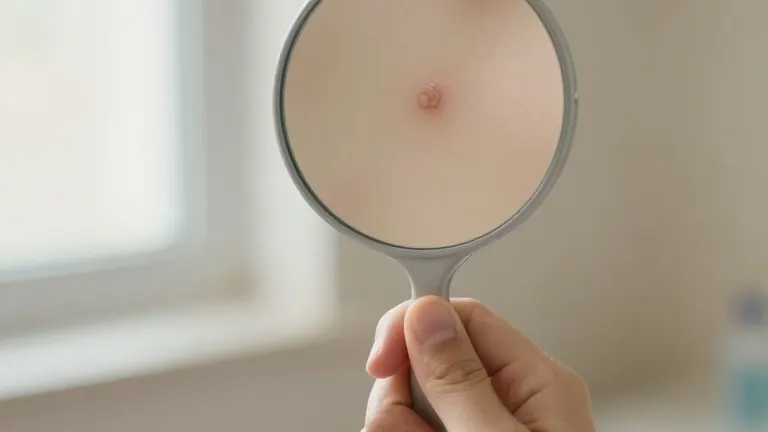
A single millimeter of growth in a skin spot can signal a serious health issue, according to gerontologist Sam Cradduck. This specific metric is often ignored by adults who assume long-standing marks are stable. Cradduck emphasized that tracking these minor shifts is essential for early detection. The warning comes from a group of medical professionals who reviewed how skin cancer manifests in older adults.
Dr. Rhea Rogers, a board-certified physician, stated that people frequently overlook sores that fail to heal or moles that bleed easily. She explained that doctors examine specific characteristics to determine if a mark has changed. These factors include asymmetry, border irregularity, color variation, diameter, and evolution over time. Rogers noted that patients often do not track these changes on their own.
Skin cancer does not only appear on areas frequently exposed to direct sunlight. Rogers said that tumors can develop in hidden locations such as behind the ears, between the toes, and under the nails. She advised that a professional examination or assistance from another person is necessary to inspect hard-to-see areas like the scalp. The visual appearance of these growths can be deceptive, making them difficult for individuals to identify during self-examinations.
Aging expert Amy O’Rourke shared that a full body scan revealed squamous cell cancer on top of her head. She had initially consulted a dermatologist regarding a brown spot on her cheek. The discovery required surgical intervention. O’Rourke noted that approximately three-quarters of her family has a history of skin cancer. This personal experience illustrates how cancer can exist in unexpected anatomical locations.
Rogers identified fair skin, age, and family history as primary risk factors. She indicated that both genetic and environmental elements contribute to the development of the disease. Sun damage is a major contributor, with UVA and UVB light capable of passing through glass. Rogers warned that melanoma is typically linked to intense sunburns and spreads rapidly. Squamous cell and basal cell cancers often present as pinkish, itchy, or non-healing sores.
The medical team also addressed the misconception that darker skin tones offer complete protection from sun damage. Rogers confirmed that African Americans need sunscreen to protect cells and DNA. She recommended checking with insurance providers, as some plans cover an annual dermatology exam. Patients are encouraged to request a full body exam and ask about mole mapping to track changes over time.
Katherie Ambrose, an aging well coach, reported that she and her husband recently underwent full body scans after finding a dermatologist. The hosts of the program also suggested wearing sun-protective clothing, such as rash guards, sun guards, and wide-brimmed hats. These items provide additional barriers against UV radiation. The medical team stressed that early detection through regular checks is the most effective strategy for managing skin cancer risks.