Ghana needs 1.8 million new homes, but only 5% of urban residents can buy
Mortgage rates have dropped to 8.4%, yet high construction costs and imported materials keep housing out of reach for most.
By Alessia Romano ·
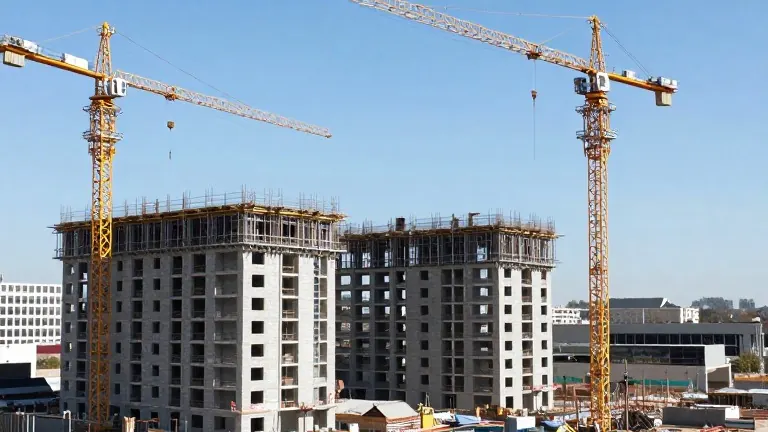
Ghana faces a housing deficit of more than 1.8 million units, a gap that persists despite rising investment in the sector. While the country’s population is 56.7 percent urban, only about five percent of residents can afford a home without state assistance. This disparity between supply needs and household purchasing power dominated discussions at the recent Africa Real Estate Conference and Expo in Accra.
The government has moved to lower financial barriers. The National Homeownership Fund cut mortgage rates from 13.5 percent to 8.4 percent. It also created a revolving fund of three billion Ghanaian cedis, or roughly 256 million dollars, to support public sector workers with repayment terms of 15 to 20 years. President John Dramani Mahama announced a one-billion-cedi allocation for the National Housing Fund in the 2027 budget during the conference.
Industry leaders argue the core problem is not a lack of demand but a mismatch between delivery costs and payment capacity. Bako Ambianda, CEO of Backbone Capital Ventures, stated that the challenge is aligning the cost of building homes with the actual purchasing power of families. He noted that turning demand into viable projects remains difficult when costs exceed what households can pay.
Access to finance and secure land continue to hinder developers. Borrowing costs have fallen from around 30 percent to between 9 and 15 percent, but they remain high relative to income. Samuel Amegayibor of the Ghana Real Estate Developers Association pointed to land tenure issues and the need to build infrastructure like roads and utilities before construction starts. These requirements add uncertainty and expense to every project.
Material costs also pressure prices, as approximately 70 percent of housing inputs are imported. Developers face import taxes and currency fluctuations that are reflected in final selling prices. Amegayibor suggested that expanding local production could reduce these costs and create new business opportunities within the construction supply chain.
The rental market shows the same affordability gap. Although a 1963 law limits advance rent to six months, landlords frequently demand one or two years of payment upfront. New enforcement measures introduced in April 2026 include penalties for non-compliance. A proposed program aims to have the state pay rent advances directly to landlords while workers repay the amount monthly.
Thirty PropTech startups presented tools at the conference to improve building performance and reduce operating costs. Innovations include smart home systems and energy-reflecting roof coatings. Experts caution that these technologies cannot independently solve structural issues like insecure land titles or expensive capital. The goal, according to Ambianda, is to make projects deliverable and homes genuinely attainable for ordinary Ghanaians.
More Business · World news · Consumer Watch · Report a business · Got a Story?