Hinojosa to pause Texas data center approvals
The governor-elect plans a temporary ban on new facilities until the state legislature passes new regulations in January.
By John Ferrari ·
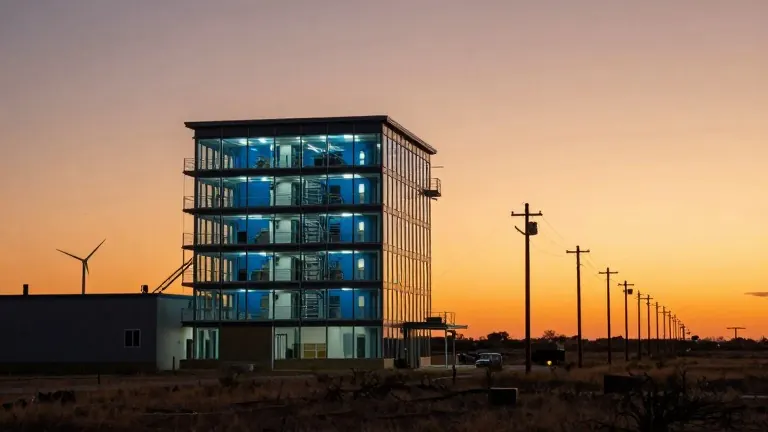
Democratic candidate Gina Hinojosa won the Texas gubernatorial race on Tuesday, securing a victory that shifts state power to her side of the aisle. She takes office on Jan. 19, 2026, and will immediately face a decision on how to handle the state's growing data center industry. Her administration will work with a Democrat-dominated Texas House to address the infrastructure gap that has emerged in recent years.
Hinojosa pledged to issue a moratorium on all data center approvals. This pause would remain in effect until the Texas Legislature convenes in January to pass new laws. Her goal is to ensure that residents have a direct role in deciding whether these facilities enter their neighborhoods. She described the measure as a temporary ban designed to protect local interests before construction begins.
During her campaign, Hinojosa outlined specific requirements for data center operators. She proposed rules that would mandate the hiring of union workers. Her plan also includes safeguards for local water supplies and a ban on nondisclosure agreements that obscure project details from the public. These measures aim to make the development process more transparent and accountable to local communities.
The new governor-elect also addressed financial impacts. She stated that she would work to prevent data centers from raising electricity rates for residential customers. Her administration intends to stop tax subsidies that she believes currently deprive the state of billions in sales tax revenue. She argued that economic growth and resident protection are compatible goals that do not have to be mutually exclusive.
The move follows a period of increased scrutiny under outgoing Governor Greg Abbott. Abbott began pausing approvals for grid connections and environmental permits in August. He ordered an audit of the facilities to gather data on power usage, water consumption, and noise pollution. That audit is expected to be completed by December. Abbott also required data centers to pay for their own electrical infrastructure.
Critics have raised concerns about the strain these facilities place on the state's resources. They point to projections of high power draw and significant water needs in a region with ongoing drought issues. Opposition to data centers has grown across the political spectrum. Local officials have expressed frustration with their limited authority to regulate these projects under current state law.
Industry leaders have responded to the change in leadership. Jess Heck, director of government affairs for the Data Center Coalition in Texas, said the industry remains committed to supporting the state's digital infrastructure. He noted that the coalition looks forward to working with state and local officials to build trust. The group emphasized its role in job creation and tax revenue generation.
The shift in state policy comes as data centers become a central topic in state elections. Data Center Watch reported that 43% of gubernatorial candidates in 36 states supported a moratorium or ban during the 2026 cycle. Kathryn Guerra of Public Citizen said the recent election results reflect strong community concern. She added that the new administration is now positioned to listen to those concerns and develop solutions.