Louisiana Rural Health Grants: $200 Million Fund Faces Criticism Over Hospital Share
Hospital executives argue that only 15% of the state’s federal allocation reached rural facilities, prompting calls for clearer funding criteria.
By Luana Sato ·
Paul Mathews, CEO of Hardtner Medical Center in La Salle Parish, described the first-year funding allocation as a source of deep disappointment for rural hospital leaders. The state received $208 million from the federal government to support healthcare in sparsely populated areas, but Mathews and other executives believe the amounts distributed to their facilities were insufficient for their operational needs.
The funds come from the Rural Health Transformation Program, a five-year federal initiative launched in 2025. The program is part of the One Big Beautiful Bill, which includes a $1 trillion cut to Medicaid over the next decade. Because many rural hospitals rely heavily on Medicaid revenue, the new grant structure was intended to offset potential financial losses, but the initial distribution has sparked controversy among providers.
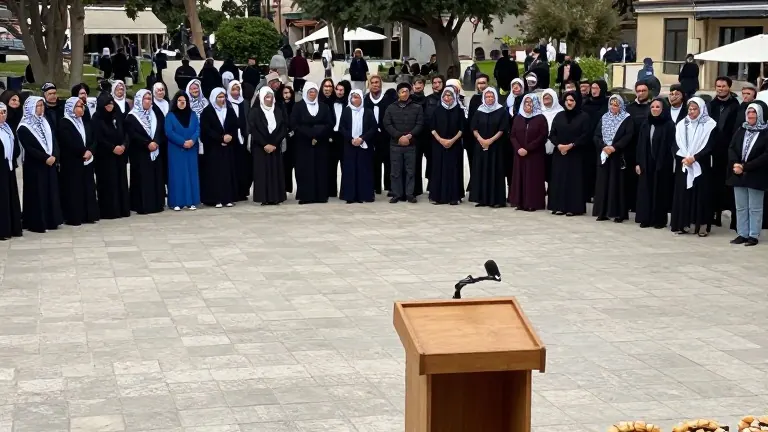
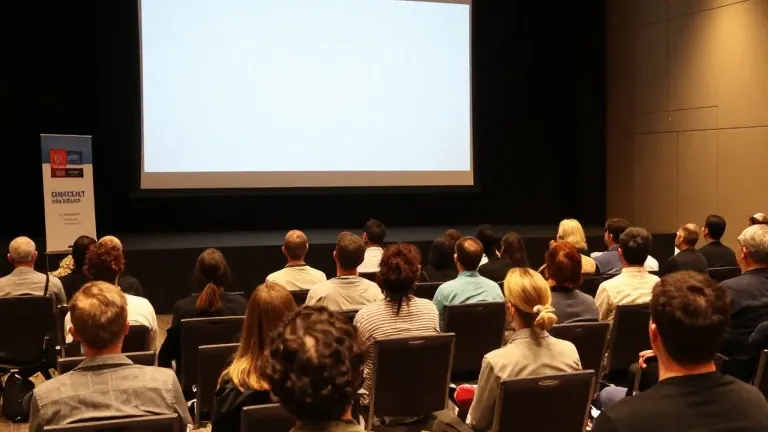
At a Thursday meeting of the Rural Health Transformation Program Advisory Council, executives voiced frustration over how the state allocated the money. Jackie Reviel, CEO of Allen Parish Community Healthcare, a 49-bed facility, stated that the money is not reaching the front lines where it is needed most. Reviel noted that her hospital received $1 million for lab equipment renovations, but she argued that this amount does not cover the scope of work required to keep the facility operating.
Reviel identified approximately 10 other projects at her hospital that require more than $1 million each to remain viable. She calculated that these additional needs total roughly $10 million. This gap between the funding received and the estimated costs illustrates the financial pressure facing these institutions as they attempt to modernize and maintain care standards.
Julie Foster Hagan, executive director of the Health Department’s rural health transformation office, explained that the primary goal for the first year was to ensure all $208 million was distributed to grantees. Hagan warned that failing to distribute the full amount would have resulted in lost funding for future years. She acknowledged that the short timeframe for establishing the program limited the ability to incorporate early feedback into the planning process.
Jeff Reynolds, executive director of the Louisiana Rural Hospital Coalition, analyzed grant award data from the state’s Office of Rural Health. His review found that only 15% of the funding went directly to rural hospitals. Reynolds argued that this low percentage fails to recognize the unique role hospitals play as 24-hour emergency providers and community safety nets. He requested that the state adjust its awarding process to prioritize these facilities.
Reynolds also criticized the lack of transparency in the selection process. He noted that state Request for Proposals typically include clear grading criteria, but he had not seen similar documentation for this program. In response, Hagan said the Health Department would make the criteria available to hospitals. She emphasized that the program is designed to address challenges across the entire rural health care system, not just hospitals.
Hagan stated that while some funding goes directly to hospitals, other investments aim to benefit the broader system by expanding the healthcare workforce, improving technology, and strengthening access to care. The department listed six priorities for spending, including workforce expansion, technology modernization, and capital investment for renovations. The Health Department has not yet released a list of the specific organizations and projects that received funds this year.
Funded entities include hospitals, clinics, community health centers, universities, consulting firms, and tech companies. The state will continue to guide its spending based on these six priorities. The Advisory Council will continue to review the program's implementation as the state works to distribute the remaining federal funds over the next four years.