Mecca Pact: Pakistan Finishes Ratification Steps
Islamabad completed its legal approval of the tri-nation defence deal on Friday, while Turkey continues its own domestic process.
By John Ferrari ·
Pakistan completed its legal approval of a joint defence agreement with Saudi Arabia and Turkey on Friday. Foreign Office spokesperson Sajjad Haider Khan confirmed that Islamabad and Riyadh have both finished their ratification procedures. The three nations signed the Mecca Joint Defence Agreement on 7 August.
The pact guarantees collective defence if any of the three states faces an external armed attack. The specific nature and level of assistance will be determined based on the circumstances of each incident. Islamabad has characterized the deal as defensive and consistent with the UN Charter. Turkey remains the only signatory still working through its domestic approval process, meaning the agreement has not yet been fully activated by all three parties.
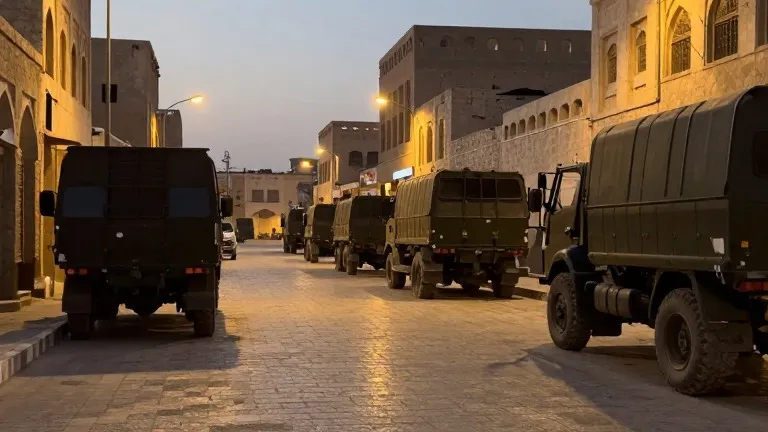
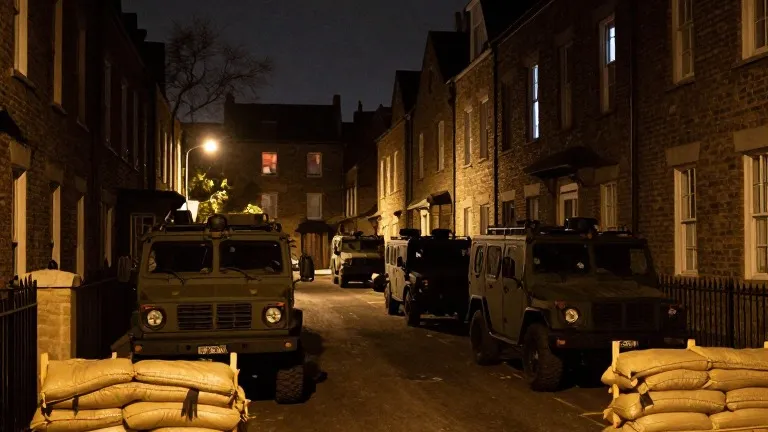
Steps toward implementation accelerated following a meeting on 5 October. The Strategic Political and Defence Committee for the three countries met and called for the execution of collective defence commitments. The group agreed that military forces and capabilities should be deployed rapidly to Saudi Arabia, subject to each nation's domestic laws. Khan stated that matters related to the agreement, its ratification, and operationalization remain under discussion by the three parties.
The announcement arrives as Saudi Arabia faces renewed security threats from Yemen's Houthis. The kingdom issued Civil Defence warnings this week about possible danger in the southwest, including Abha and Khamis Mushait. Authorities later stated the danger had passed but advised residents to follow safety instructions and avoid gathering in affected areas. These alerts coincided with Houthi missile and drone attacks on Saudi infrastructure.
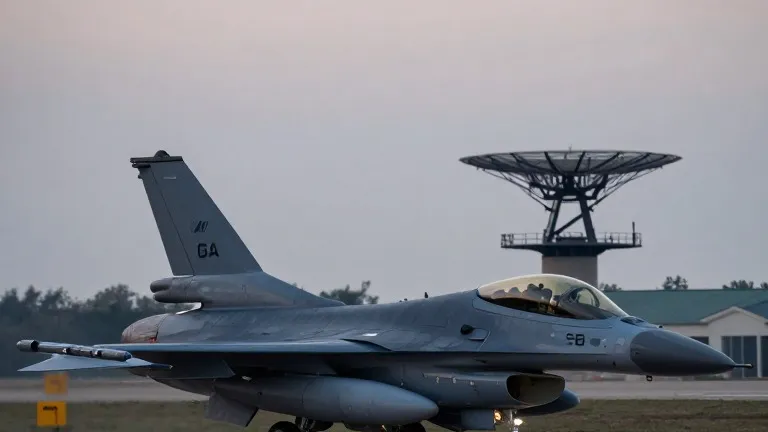
Reuters reported on 21 October that Riyadh's allies are primarily offering defensive support. The kingdom is currently focused on protecting its infrastructure from further strikes. Meanwhile, regional tensions are rising elsewhere. The Israeli military announced large-scale exercises for Sunday and Monday in the north and centre of the country. These drills involve the air force and units from the Northern and Central Commands, rehearsing scenarios of surprise air and land attacks.
The Israeli military said the exercises are designed to test readiness to defend against attacks on multiple fronts and prepare for potential border escalations. These preparations come as Washington and Tel Aviv weigh renewed military action against Iran. President Trump said on Friday that the United States might carry out another operation against Iran as the conflict nears its eighth month. A report from The Business Times this week, citing US officials, indicated that American and Israeli forces have drawn up plans for fresh strikes after the US midterm elections on 3 November. Possible targets include Iranian energy infrastructure, nuclear facilities, and missile and drone capabilities.