Rohingya refugees in Malaysia face barriers to worship and belonging
Thousands of Rohingya in the Muslim-majority country struggle to register places of worship, fear immigration detention, and navigate social divisions despite shared faith.
By John Ferrari ·
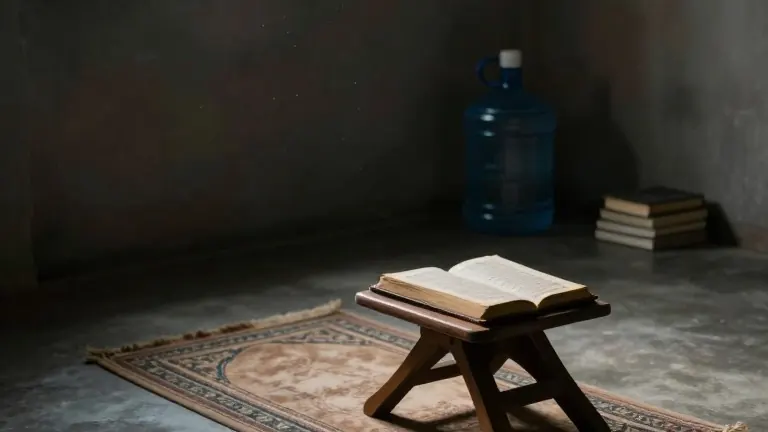
Refugees from Myanmar’s Rohingya ethnic minority report ongoing difficulties practicing their faith and integrating into society in Malaysia.
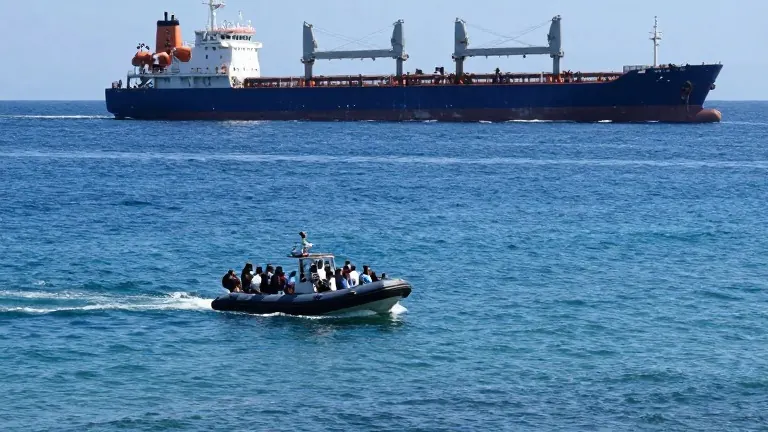
Nur Sadek, a law student and activist, fled his home in Rakhine State in 2017 after military forces opened fire on his community. He arrived in Malaysia with only the clothes on his back and has not returned to Myanmar since. Around 700,000 Rohingya crossed into Bangladesh during that year’s crackdown, according to the U.N. refugee agency, UNHCR. As of February 2026, UNHCR has registered approximately 126,000 Rohingya in Malaysia.
The country does not legally recognize refugees, a status that leaves many vulnerable to detention. Religious advocacy group CSW stated that Rohingya cannot officially register their own places of worship. Most pray at local mosques, but some avoid them due to discrimination or fear of being stopped by immigration officials. CSW noted that social and cultural differences often overshadow religious solidarity between the two groups.
Nurul Hakim, who arrived in Kuala Lumpur in 2010 after traveling through Thailand, faces different challenges. His family fled years of restrictions on religious gatherings and access to mosques in Myanmar. While Hakim feels welcomed by local faith leaders, he has heard from other Rohingya in Malaysia who are barred from praying freely. Banners declaring Rohingya unwelcome have appeared outside some neighborhood mosques, according to the Rohingya Rights Response organization co-founded by Sadek.
Sadek said most Rohingya do not have their own imams leading prayers because Malay imams typically run the mosques. This lack of representation affects the community’s sense of connection. Mohammed Rafique, who fled in 2009 with his wife and five children, now prays mostly at home to avoid encounters with immigration authorities. He has not seen his family since they stayed in Bangladesh. Rafique earns 30 ringgit, or about $7.50, per day collecting scrap materials, which he said is barely enough for his medication.
Zahidah Begum fled in 2013 after a raid on her village. Her father, an imam who taught Islamic studies daily, broke his leg while fleeing soldiers and later died from an infection in Bangladesh. Begum’s husband struggles with health problems, and her school-age children cannot attend formal classes. She teaches her two daughters to pray and recite Quranic verses, maintaining a connection to the faith her father instilled in her.
Sadek’s organization advocates for improved safety, fair wages, and access to healthcare and education for Rohingya in Malaysia. The group has also documented harassment by social media creators who mock refugees. Begum said she does not know what the future holds for her family, but she remains connected to her religion through the daily practices she shares with her children.