Amersfoort mayor reverses cancellation of 300-year synagogue exhibit
The museum dropped the show over security fears, but the city chief says no specific threat exists and the display will proceed as planned.
By Luana Sato ·
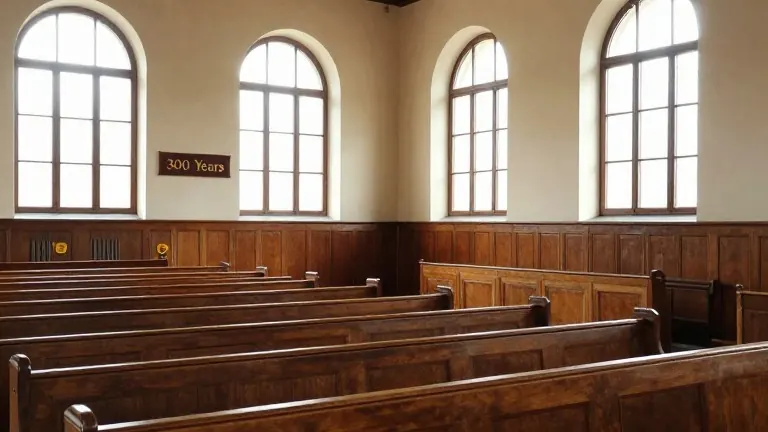
Five years of planning ended in a single day for a major cultural event in Amersfoort, Netherlands. Museum Amersfoort announced on Tuesday that it was cancelling an exhibition marking the 300th anniversary of the city's historic synagogue. The display, scheduled to open in February, had been titled 300 Years Amersfoort Shul. The museum cited security concerns linked to the ongoing war in Gaza and regional tensions as the primary reason for the abrupt decision.
The synagogue, established in 1727, is the oldest Ashkenazi synagogue in Western Europe still in active use. It preserves religious traditions from Central and Eastern European Jewish communities. Paul Baltus, the director of the nonprofit operating the museum, explained the rationale in an interview with the Dutch newspaper AD. Baltus described the museum as a small and vulnerable organization. He stated that volunteers would have to manage the atmosphere surrounding the event, even if professional guards and cameras were deployed. The museum decided to pull the show despite the absence of any specific security threat.
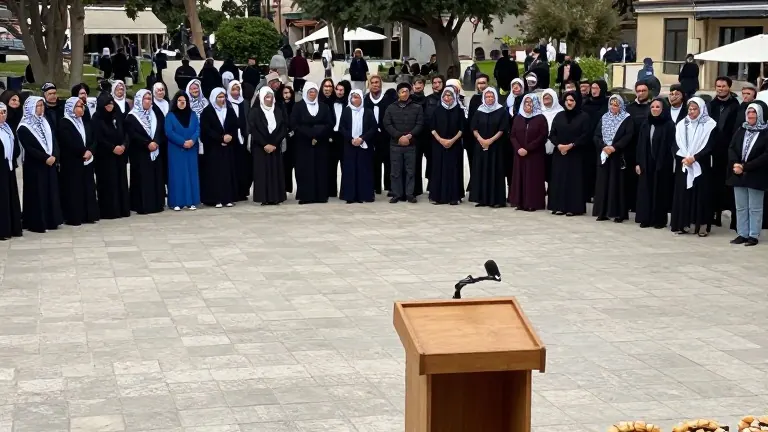
Mayor Lucas Bolsius intervened on Wednesday after the local Jewish community expressed frustration over the move. During a meeting at City Hall, Bolsius told community leaders that the exhibition would proceed as planned. He noted that he had not been consulted about the initial cancellation. The mayor stated there was no evidence of a security threat to the museum or its staff. Bolsius expressed sadness over the decision, calling Jewish history an integral part of the city's heritage that deserves proper recognition.
Alexander van Dijkhuizen, chairman of the Jewish Community of Amersfoort, criticized the initial cancellation in a statement. He argued that the move reflected a tendency in the cultural sector to conflate Jewish identity with the actions of the Israeli government. Dijkhuizen observed that many people struggle to distinguish between the two groups. He noted that the local Jewish population continues to shrink, making such cultural recognitions more important for the community's sense of belonging.
This dispute follows a pattern of recent cancellations involving Jewish and Israeli events in the Netherlands. In May, a retirement home cancelled a concert by Dutch-Jewish singer Lenny Kuhr after anti-Israel protests at an earlier performance. Last year, Amsterdam's Royal Concert Hall cancelled a Chanukah concert because one performer was an IDF reservist, though they reversed that decision after threats of legal action.
Bolsius acknowledged that the cancellation caused pain within the community by reinforcing feelings that members were not welcome. He confirmed that discussions are underway with all involved parties to resolve the situation. The goal is to find a practical path forward that addresses security concerns while honoring the historical anniversary. The mayor's reversal aims to ensure the community can see the exhibition it has anticipated for years.