Democrats Seize Both Chambers, Marking Sharp Reversal in 2026 Midterms
With majorities in the House and Senate secured, the new Congress is set to confront the administration immediately, starting with an impeachment bid against the defense secretary.
By John Ferrari ·
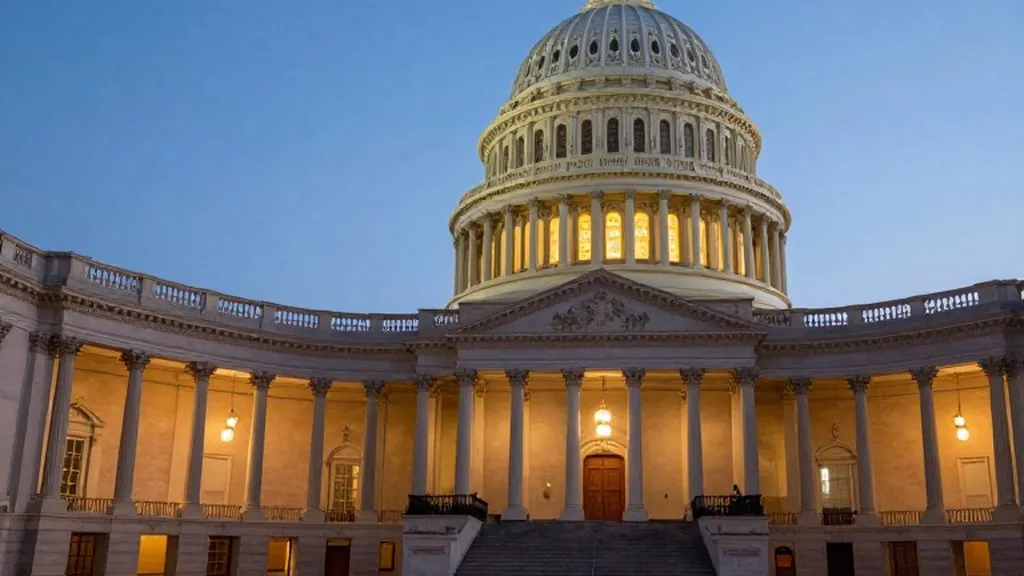
Democrats have secured control of both the U.S. House of Representatives and the U.S. Senate following the November 3, 2026, midterm elections, marking a decisive shift in the balance of power in Washington. According to the latest results compiled by Ballotpedia, Democrats picked up at least 43 House seats and seven Senate seats, all of which were previously held by Republicans. As of 4 p.m. EST on November 6, Democrats held a majority of at least 250 to 157 in the House and 54 to 44 in the Senate. This net loss of seven Senate seats for the party of the sitting president places this election in the top 20% of historical midterm cycles in terms of seat swings, a threshold often defined as a wave election.
The immediate impact of this new majority is already visible on the House floor, where Rep. Thomas Massie of Kentucky moved to force a vote to impeach Defense Secretary Pete Hegseth. Massie, a Republican who was defeated by a Trump-backed challenger in a primary earlier this year, read the resolution from the floor just hours after the new session opened. The resolution focuses largely on the war in Iran but also references Hegseth's role in military actions in Yemen and Venezuela. Massie argued that Hegseth's actions amounted to high crimes and misdemeanors, stating that the secretary knowingly executed and implemented unlawful orders and remains a threat to the Constitution.
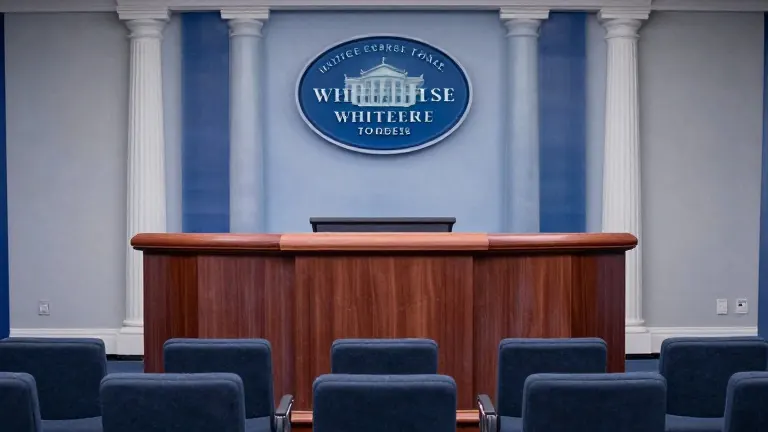
President Donald Trump reacted swiftly to the impeachment threat, lashing out at Massie personally during a White House briefing. The president called the Kentucky congressman a loser who has a lot of hatred in his heart. While a House vote could come by mid-week, the path forward remains uncertain as Republicans retain the majority in both chambers until the new Congress fully convenes in January. House Democratic Leader Hakeem Jeffries supports the measure, and if most Democrats follow his lead, Massie would only need support from a few Republicans to pass the impeachment articles in the House.
Republican leaders expressed frustration at the timing of the move, noting that they are eager to use their final weeks in power to execute their own agenda. House Speaker Mike Johnson, who had tried to prevent the vote, said that impeachment in the middle of hostilities abroad would be a terrible look for the nation's allies and enemies. Senate Majority Leader John Thune said he was unsure why the vote was being held now but stated that the Senate would have to deal with it accordingly. Sen. Chuck Schumer, the Democratic leader, endorsed the push, declaring that Hegseth must stand trial before the Senate.
Defense Secretary Pete Hegseth has stepped up his public defense of the military actions taken against Iran, Yemen's Iranian-backed Houthi rebels, and Venezuela. Speaking at the Naval War College in Rhode Island, Hegseth brushed aside the impeachment push, indicating his readiness to fight the charges. The conflict over the war in Iran has been a significant factor in the election results, with many voters blaming the administration's handling of the conflict for the sweeping losses on the ballot.
Beyond the executive branch, the new Democratic majority is preparing to use its oversight and appropriations powers to push back against administration policies, particularly in the realm of education. Democrats are planning to use their soon-to-be majorities to oppose the dismantling of the U.S. Education Department. Rep. Bobby Scott of Virginia, the top Democrat on the House Committee on Education and the Workforce, said he plans to leave no rock unturned in his investigation of the administration's policies. The committee is preparing to explore the dismantling of the department, its oversight of federal student loans, and its anti-discrimination policies.
Sen. Elizabeth Warren of Massachusetts called on her colleagues to hold the administration accountable for dismantling the Department of Education. However, the White House has shown no sign of backing away from its campaigns to close the department and end diversity, equity, and inclusion policies. Education Department spokesperson Savannah Newhouse accused Democrats of plotting to prematurely sabotage Education Secretary Linda McMahon. White House spokesperson Liz Huston added that Democrats had failed American students with disastrous leadership before the president returned to office.
Democrats on the Senate Appropriations Committee are exploring harder checks through the budgeting process, aiming to use federal funding as leverage. Sen. Chris Van Hollen of Maryland said there is an interest in using the power of the purse to establish guardrails and prevent abusive practices. While he acknowledged it is harder to rebuild an entity through an appropriations bill, he noted that Democrats can try to prevent further damage. Last year, Democrats failed to secure broad language in a funding bill to block the dismantling of the Education Department, but with majorities in both chambers, they are preparing to try again with more specific conditions on spending.
The shift in power also affects state-level races, where Democrats won a plurality of state government trifectas and a majority of governorships for the first time since before the 2010 elections. In California, Xavier Becerra won the governor's race, becoming the state's first elected Latino governor and the fifth consecutive Catholic governor. His victory highlights the complex political landscape of Catholic voters, who are often a mixed bag politically. According to the AP Voter Poll, about 6 in 10 Catholic voters in the state supported Becerra, while about 4 in 10 voted for his Republican opponent, Steve Hilton.
Gov. Gavin Newsom, who lost his bid for re-election, announced plans to change more than 500 death sentences in the state to life in prison without the possibility of parole. This decision was celebrated by the California Catholic Conference, which represents the church in the state. Newsom stated that state-sanctioned killing is incompatible with California's values. The results in California reflect a broader national trend where religious groups, particularly Catholics, did not vote as a monolithic block, with many voters splitting between the two major parties based on local and state issues.