House Control Hinges on Three Seats in 46 Competitive Districts
New maps in seven states and a razor-thin margin make the 2026 House race a tight contest over the chamber's majority.
By John Ferrari ·
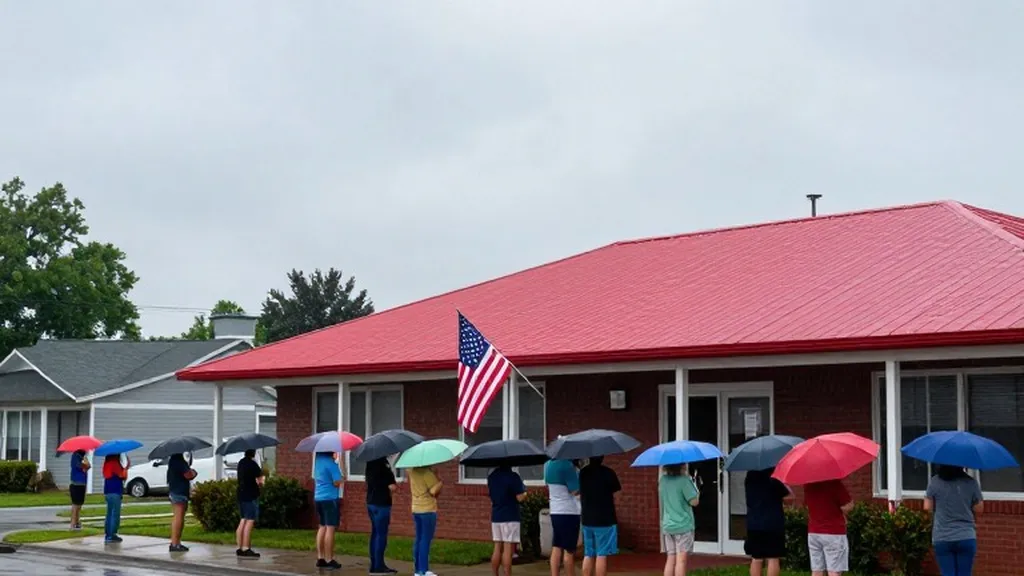
Voters across the United States are deciding the control of the U.S. House of Representatives on Tuesday, with all 435 seats up for grabs in a midterm election that serves as a referendum on President Donald Trump's second term. The Associated Press notes that the results will determine which party holds the gavel for the president's final two years, a dynamic that has drawn intense attention to the chamber's narrow margins. Democrats currently hold 214 seats, while Republicans hold 218, with one independent and several vacancies affecting the final count.
The mathematical stakes are precise and unforgiving. Democrats need a net gain of three districts to secure a majority, a threshold that places the entire election within the reach of a small number of outcomes. Conversely, Republicans can afford to lose no more than two seats to maintain their control. This three-seat margin creates a scenario where a handful of districts in the battleground states will effectively decide the fate of the chamber.
Ballotpedia has identified 46 battleground districts that are considered competitive in this cycle. Of these, 25 are currently held by Democrats and 21 by Republicans. The split is not evenly distributed across the political spectrum of the country. Twenty-one of the Democratic-held districts voted for Trump in the 2024 presidential election, while nine Republican-held districts voted for Kamala Harris. This overlap suggests that partisan loyalty is shifting in areas where the presidential vote and congressional voting patterns have historically diverged.
The competitive landscape is further complicated by the fact that 60 House incumbents are not running for re-election. The Associated Press reports that this group includes 23 Democrats and 37 Republicans. The departure of these long-time representatives has opened up numerous seats that are now being contested by new challengers, adding uncertainty to districts that were previously considered safe. These open seats are a significant portion of the battleground list, as new candidates lack the established name recognition of their predecessors.
Redistricting has played a pivotal role in shaping the 2026 map. Six states are using new congressional maps following mid-decade redistricting efforts: California, Florida, Missouri, North Carolina, Tennessee, and Texas. Ohio is also utilizing a new map for this election. These changes have redrawn district lines, altering the demographic and political composition of many constituencies. The Associated Press notes that while Republicans hoped to use redistricting to beat the typical midterm pattern of seat loss, the new districts may not vote as drawn.
The mood among voters is characterized by a mix of economic anxiety and political polarization. The Associated Press describes the election as a struggle for voters dealing with high prices and anger over an unpopular war with Iran. AP-NORC polling indicates that 35% of U.S. Adults approve of Trump's job performance, while only 25% approve of his handling of the economy. About seven in 10 respondents say the country is heading in the wrong direction, a sentiment that is driving high turnout in key districts.
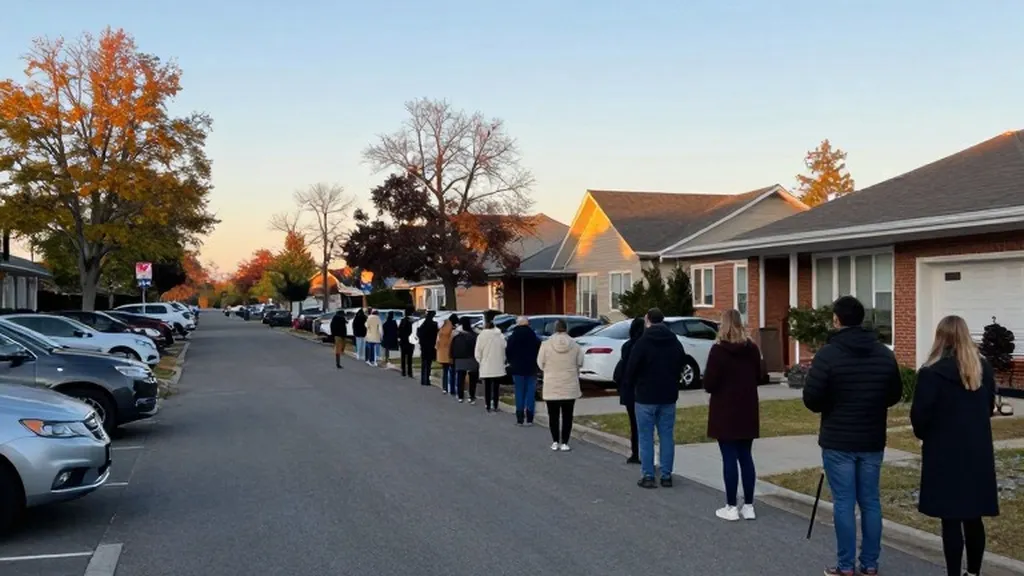
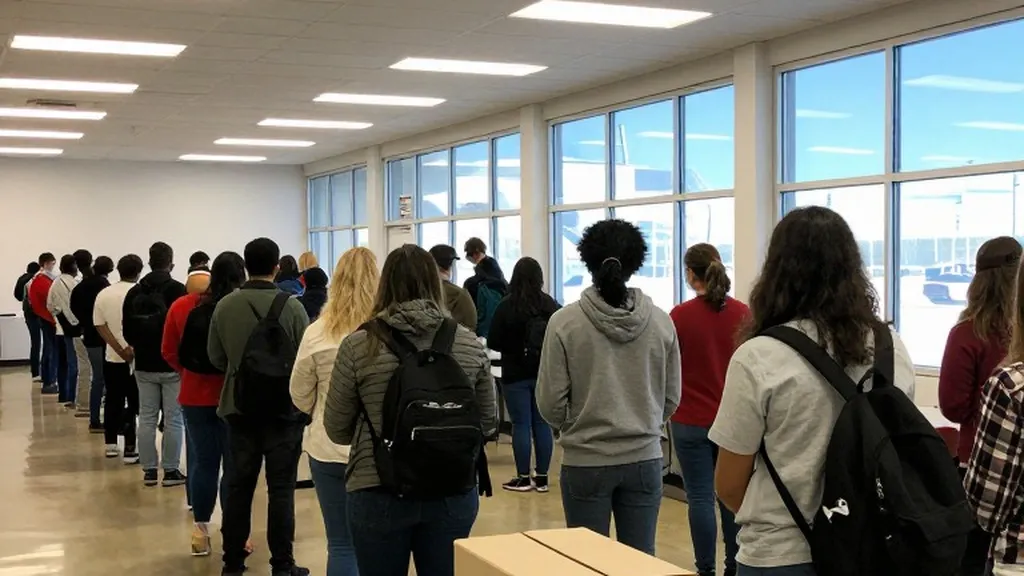
More than 57 million people had already voted as of Monday, surpassing early voting totals from four years ago in many closely watched states. This surge in early voting suggests that both parties are mobilizing their bases aggressively. Republicans are bracing to lose the House but are fighting to hold the Senate, while Democrats are described as cautiously optimistic. The Associated Press notes that one or two seats could tip the balance in either chamber, making the final hours of voting on Tuesday crucial.
The campaign has been marked by significant spending and strategic focus on specific regions. The 2026 elections are likely to be the most expensive in history, with Republican committees outraising and outspending their Democratic counterparts. However, at the candidate level, Democrats outraised their opponents. The Associated Press analysis of AdImpact data shows that 88.1% of Republican general election TV ad spending went to states and districts that Trump won in 2024. This strategy reflects a desire to protect the president's legacy and ensure his party maintains a strong foothold in areas where he has historical support.
Quotes from party leaders highlight the different approaches to the race. RNC Chairman Joe Gruters emphasized the importance of turnout, stating, "Everything depends on turnout. If we turn out our voters, we win, and that's what we've been planning for." In contrast, DCCC Chair Rep. Suzan DelBene focused on voter sentiment, saying, "The American people are angry. They want change." These statements encapsulate the two distinct narratives that are driving the campaign in the 46 battleground districts.
The outcome of the House race will have immediate implications for the legislative agenda. If Democrats win the chamber, investigations and possible impeachment proceedings become likely. House Democratic Leader Hakeem Jeffries, who would be the first Black speaker, has outlined a 100-day agenda focused on the cost of living and oversight. A strong Democratic night would also boost potential 2028 presidential candidates, including Gavin Newsom, JB Pritzker, and Pete Buttigieg. For Republicans, holding the House would provide a buffer against potential Democratic investigations and allow them to continue their legislative priorities.
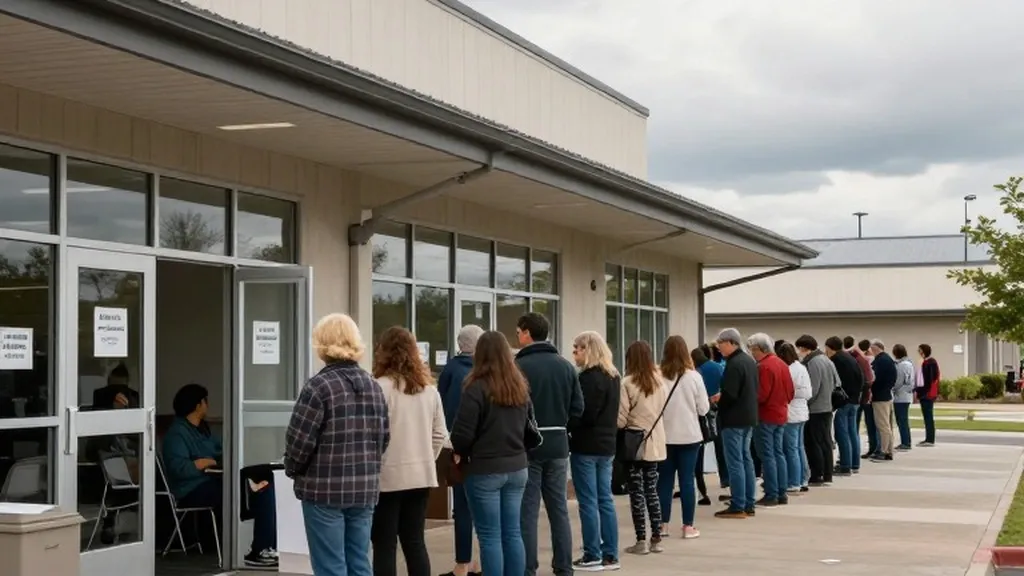
As polls open across the country, the focus remains on the 46 battleground districts where the margin of victory will be determined. The new maps in seven states have created a complex environment where local issues and national trends intersect. Voters in these districts are making decisions that will shape the direction of the federal government for the next two years. The final count will reveal whether the three-seat margin holds or if the balance of power shifts in the House of Representatives.