Trump's High-Profile Midterm Push Clashes With Candidate Caution and Low Approval
The president's relentless rally circuit and fraud claims are complicating a midterms where his party's candidates are keeping a careful distance.
By Alessia Romano ·
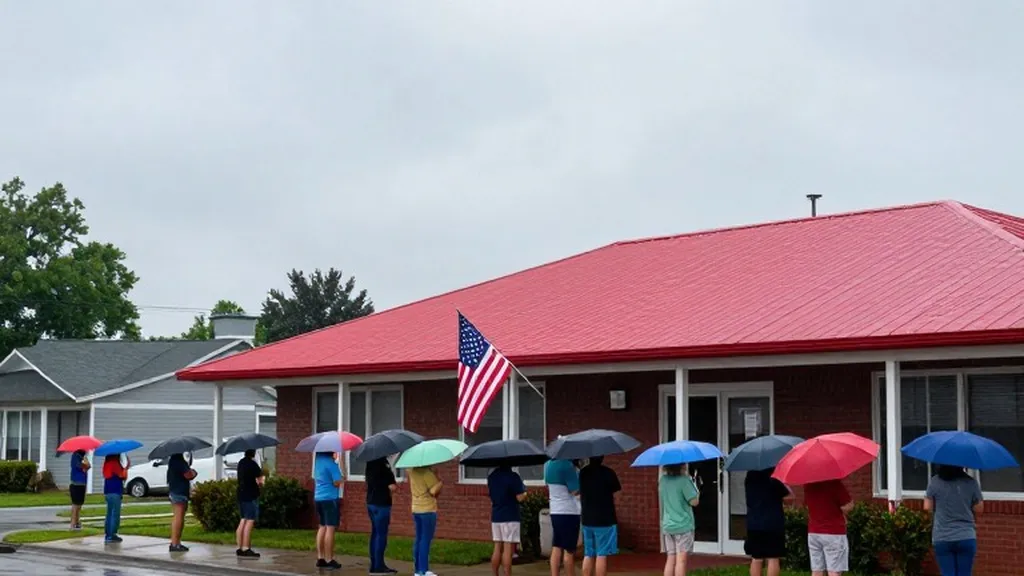
On Tuesday, November 3, 2026, voters across the United States are casting ballots in a midterm election that serves as a referendum on President Donald Trump's second term. The Associated Press notes that the electorate is struggling with high prices and anger over an unpopular war with Iran. This context defines a race where the president's personal brand is both an asset and a liability for his party. The results will determine who controls Congress for the final two years of Trump's presidency, a dynamic that has intensified the focus on his direct involvement in the campaign.
President Trump has held dozens of rallies in the final stretch of the campaign, a strategy designed to maximize turnout for Republican candidates. His schedule included stops in Mississippi, South Carolina, and Texas, with his final rally before Election Day taking place in Salina, Kansas. At that event, Trump urged supporters to 'pretend I'm on the ballot,' a plea that highlights the central tension of the race. He is attempting to transfer his personal energy to a ballot that does not actually feature his name, a tactic that has resonated with some base voters while raising questions among others about the specific stakes of the day.
Despite the president's visible presence, many Republican candidates have kept their distance from him during this final phase of the campaign. This strategic spacing appears to be a response to polling data that suggests Trump's approval numbers are not high enough to guarantee a sweep. 35 percent of U.S. Adults approve of Trump's job performance, while only 25 percent approve of his handling of the economy. Furthermore, about seven in ten Americans say the country is heading in the wrong direction, with most blaming the president for high prices. These figures have led some candidates to emphasize local issues rather than the national narrative championed by the White House.
The president has continued to make false claims about voting fraud, asserting that noncitizens vote in large numbers. His administration has filed lawsuits in Alaska and California related to the certification and handling of votes, which Democrats fear could lead to interference or intimidation. The Justice Department has threatened to prosecute local election officials, adding a layer of legal uncertainty to the process. These actions have become a focal point for both parties, with Republicans defending the administration's efforts to secure the vote and Democrats warning of potential overreach that could affect the final tally.
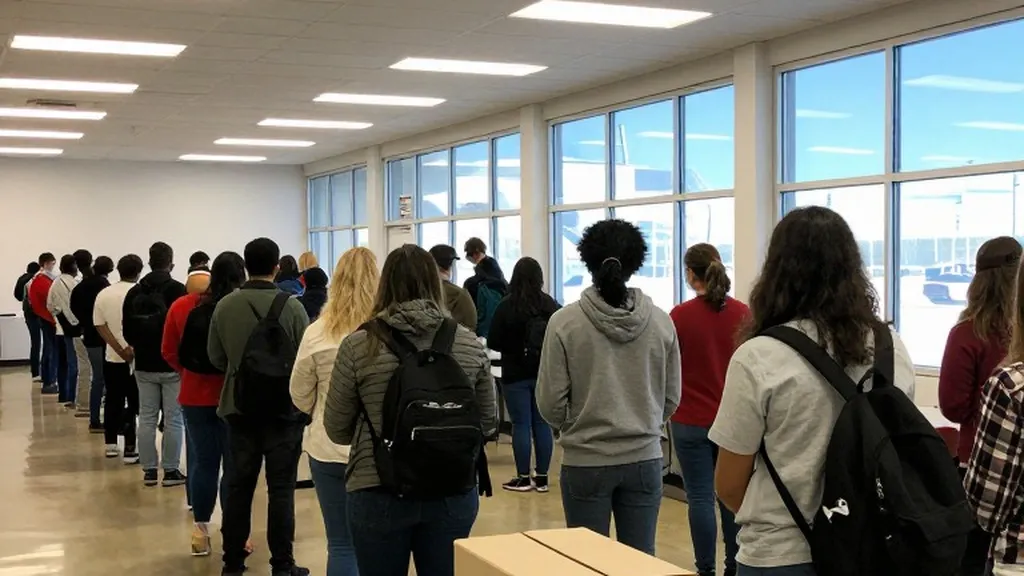
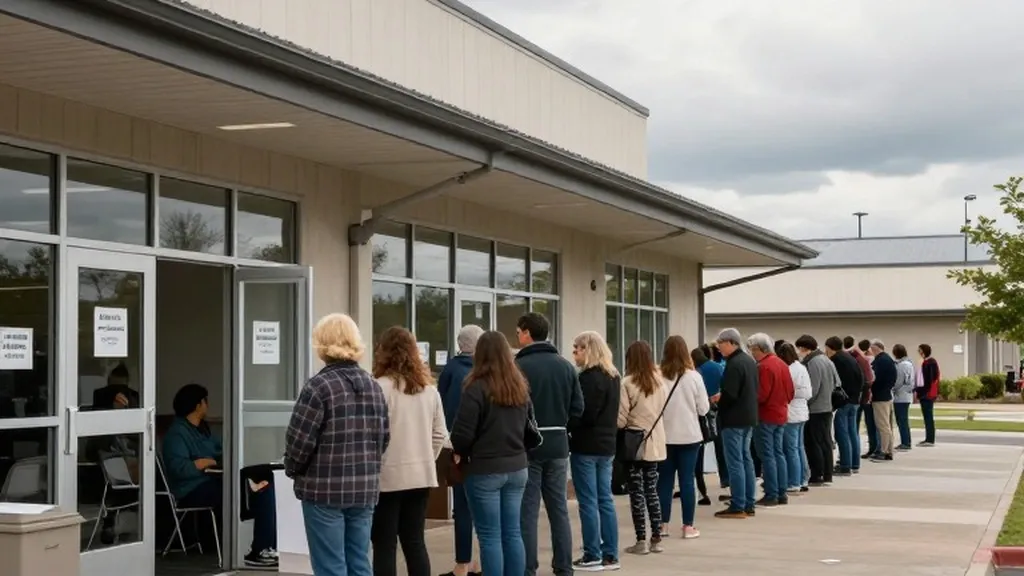
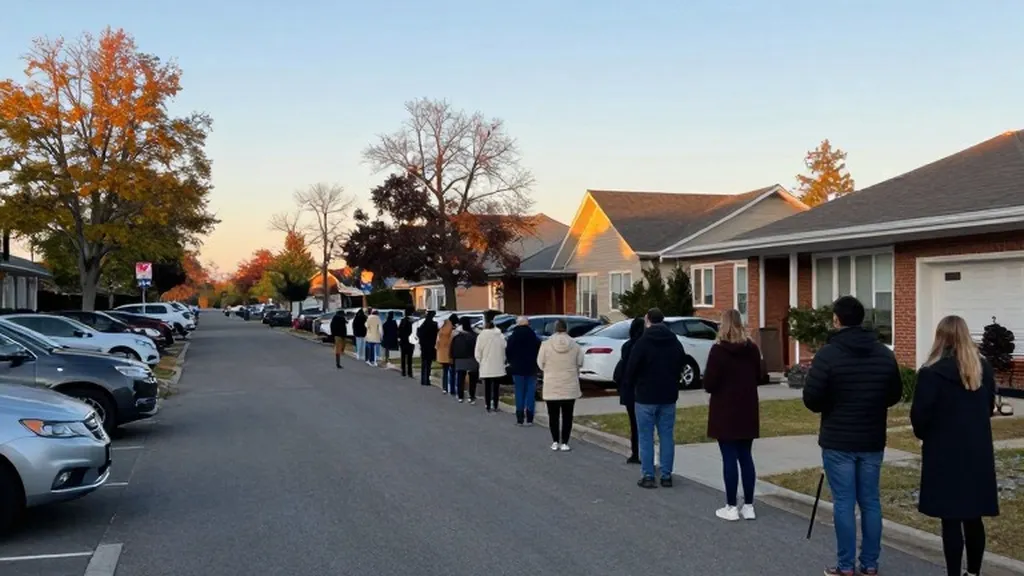
Voters are making their decisions in an environment where more than 57 million people had already voted as of Monday, surpassing the early vote totals of four years ago in many closely watched states. This high level of early participation suggests that the outcome may be determined by who shows up at the polls on Election Day. In Palm Beach Gardens, Florida, voter Mark Barker said he has been following Trump the whole time and thinks he is doing an awesome job. In contrast, James Moore, a 57-year-old librarian in Raleigh, North Carolina, stated that he is paying more taxes and more for healthcare, reflecting the economic concerns driving the opposition.
Republican National Committee Chairman Joe Gruters emphasized that everything depends on turnout, noting that if the party turns out its voters, they win. He described the planning efforts aimed at mobilizing the base in key districts. Democratic Congressional Campaign Committee Chair Rep. Suzan DelBene countered that the American people are angry and want change. This framing of the election as a choice between the status quo and a new direction is evident in the messaging of both parties. The stakes are high, as a Democratic win in even one chamber would likely lead to investigations and possible impeachment proceedings, a prospect that looms large over the proceedings in Washington.
The financial side of the election has also been dominated by the presence of Trump-affiliated groups. The 2026 elections are likely to be the most expensive in history, with Republican committees outraising and outspending their Democratic counterparts at the committee level. This spending was helped by support from Elon Musk and other Trump-aligned entities. However, at the candidate level, Democrats outraised their opponents. An analysis of AdImpact data found that 88.1 percent of Republican general election TV ad spending went to states and districts Trump won in 2024. This heavy investment in safe seats raises questions about the efficiency of the spending strategy as the party braces for potential losses in the House.
The election is also marked by significant legal battles over voting administration. A federal judge temporarily barred the Trump administration from carrying out a plan to prevent noncitizen voting, a move critics say risks disenfranchising eligible voters. In California, a judge ordered the administration to stop demanding that election officials segregate ballots cast by people on lists of suspected noncitizens. These legal interventions have added complexity to the election day process, with the U.S. Postal Service adding hours and staff to ensure mail ballots are counted on time. The administration's aggressive stance on voting rules has become a central theme in the final days of the campaign.
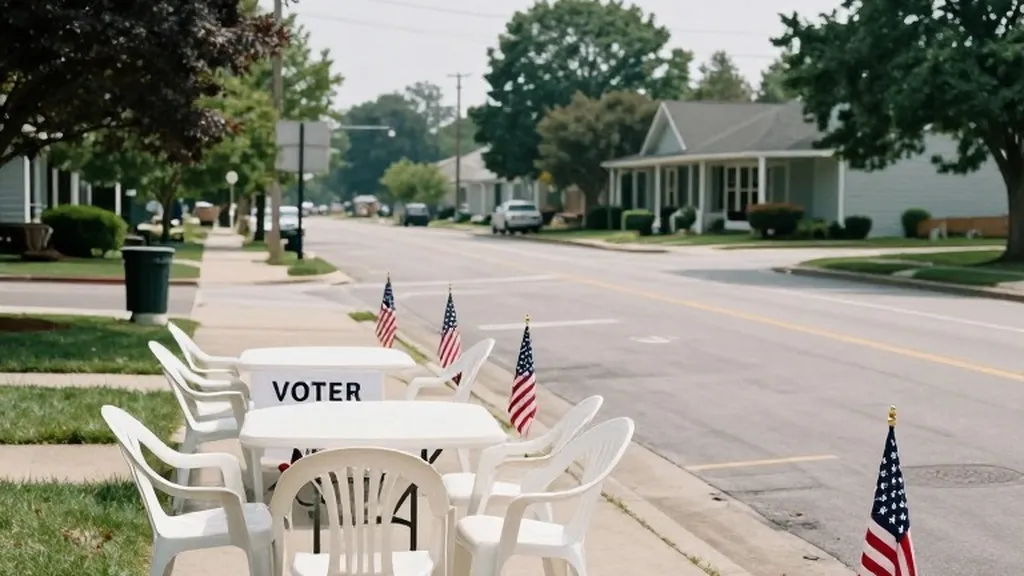
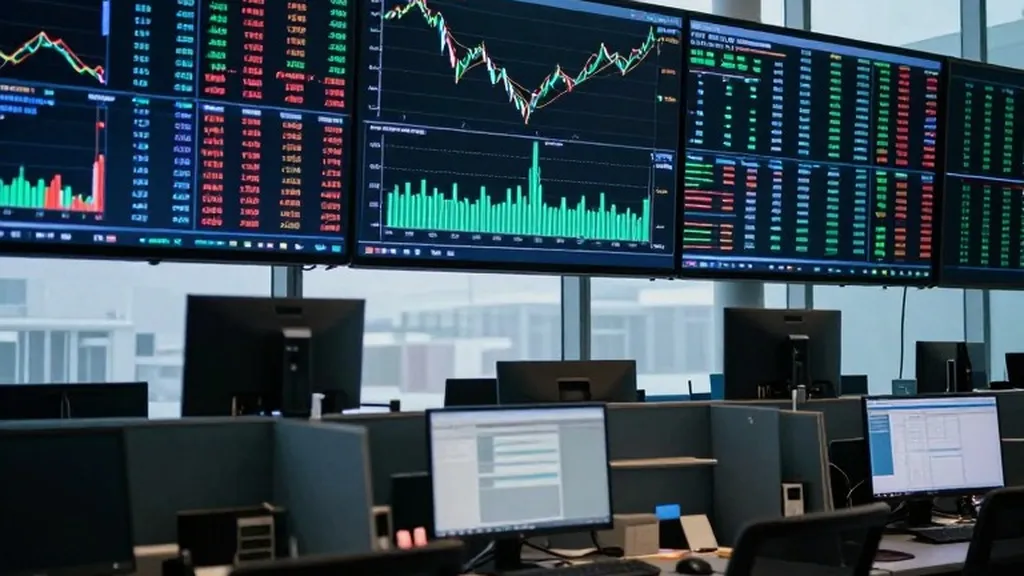
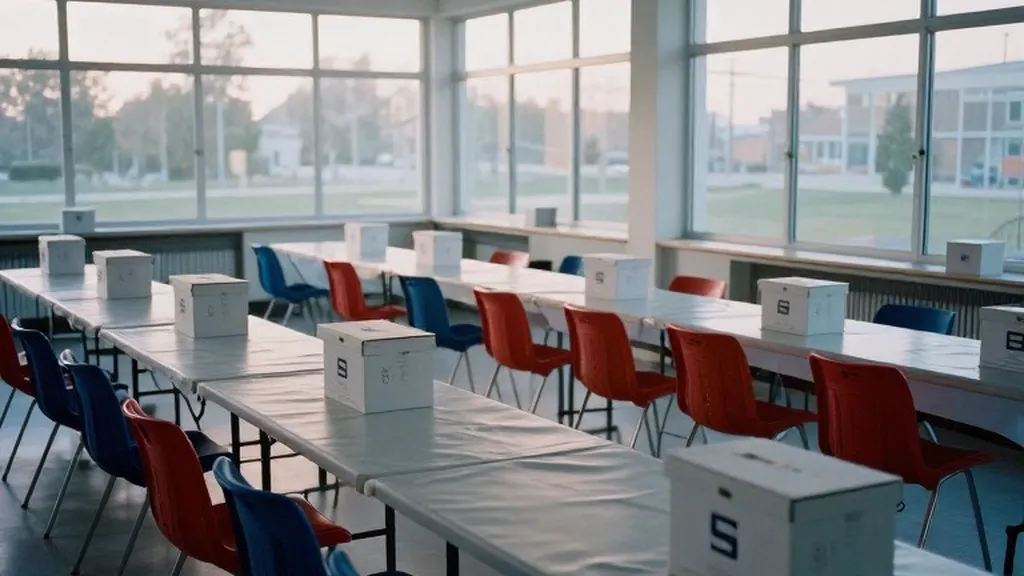
Wall Street is watching the election closely, with Reuters noting that the results could add to investor concerns about AI spending and debt ceiling negotiations. The market reaction to the midterms is expected to be significant, as the control of Congress will influence fiscal policy and regulatory environments. For now, polls are open across the country, with voters heading to polling places to decide the composition of the next Congress. The outcome will shape the balance of power in Washington and set the stage for the final two years of Trump's second term.