Wall Street Watches AI Spend and Debt Ceiling as Midterms Decide Congress
Investors are tracking how the election outcome will impact artificial intelligence budgets, national debt negotiations, and trade alliances.
By Alessia Romano ·
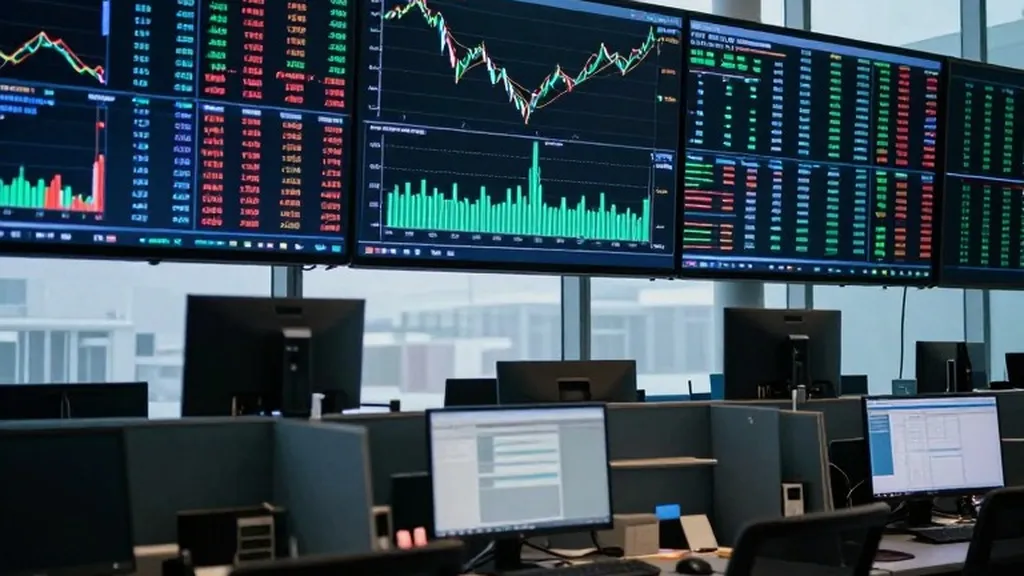
Global financial markets are closely monitoring the midterm election results on Tuesday, November 3, 2026, with a specific focus on how the new congressional leadership will handle artificial intelligence spending and the national debt ceiling. Results from the vote could add to existing investor concerns about the sustainability of massive AI capital expenditures and the mechanics of upcoming debt ceiling negotiations. This election occurs halfway through President Donald Trump's second term, and the outcome will determine which party controls Congress for his final two years, a factor that significantly influences long term fiscal policy expectations.
The Associated Press describes the election as a referendum on the president's performance, noting that voters are struggling with high prices and expressing anger over an unpopular war with Iran. In AP NORC polling data, 35 percent of U.S. Adults approve of Trump's job performance, while 25 percent approve of his handling of the economy. About seven in ten Americans say the country is heading in the wrong direction, with most blaming the president for high prices. These economic sentiments are directly linked to Wall Street's interest in the debt ceiling, as a divided government or a unified one will dictate the approach to raising the limit on how much the federal government can borrow.
Beyond domestic fiscal issues, the election has implications for trade and international alliances. The AP notes that economic strain and tariffs have made certain states competitive, particularly in Maine where the race is rated as a toss-up by multiple analysts. Trade policy is a central issue for businesses that rely on global supply chains, and the control of Congress will influence how trade agreements are negotiated or modified. Investors are watching to see if the new Congress will support the administration's trade strategies or push for adjustments that could impact corporate earnings and global market stability.
In the Senate, 35 seats are up for election, including 33 regular elections and two special elections. Republicans currently hold 53 seats, while Democrats hold 45, plus two independents who caucus with Democrats. Democrats need a net gain of four seats to achieve a majority, whereas Republicans can afford to lose only two seats. The Associated Press highlights several key matchups, including Georgia where Sen. Jon Ossoff faces Republican Rep. Mike Collins, and Ohio where former Sen. Sherrod Brown runs against Sen. Jon Husted. The outcome in these states will have direct consequences for the balance of power in the chamber that confirms treaties and advises on presidential appointments.
The House race involves all 435 seats, with Republicans holding 218 and Democrats 214. Democrats need a net gain of three districts to secure a majority, while Republicans can lose no more than two. Ballotpedia counts 46 battleground districts in the House, with 25 currently held by Democrats and 21 by Republicans. The AP notes that one or two seats could tip either chamber, making the margin of victory critical for the legislative agenda. A Democratic majority in the House could lead to increased oversight and investigations, which may affect corporate governance and regulatory compliance costs for major industries, including technology firms driving the AI sector.
Governor races are also being watched for their impact on state level policies that affect business operations. There are 36 governorships on the ballot, and Democrats are hoping to hold a majority of governorships for the first time in two decades. Republicans currently hold 26 governor's offices, while Democrats hold 24. Key races include Georgia, where Republican health care executive Rick Jackson faces Democratic former Atlanta Mayor Keisha Lance Bottoms, and Nevada, where Republican Gov. Joe Lombardo runs against Democratic Attorney General Aaron Ford. State leadership can influence tax policies and regulatory environments that are crucial for companies considering expansion or relocation.
Financial markets are also considering the role of artificial intelligence in the economy as investors assess the future of tech spending. The AP analysis of AdImpact data shows that 88.1 percent of Republican general election TV ad spending went to states and districts Trump won in 2024. This heavy spending reflects the importance of these regions in maintaining the status quo that supports current economic policies, including those favorable to AI development. Democrats, on the other hand, are focusing on cost of living issues, which may translate into policy changes that affect consumer spending and corporate revenue projections.
The election administration has been marked by legal challenges that could influence the final count. A federal judge temporarily barred the Trump administration from carrying out a plan to prevent noncitizen voting, while another judge ordered the administration to stop demanding that California election officials segregate ballots cast by people on lists of suspected noncitizens. The U.S. Postal Service added hours and staff to ensure mail ballots are counted on time. These administrative details are crucial for investors who rely on accurate and timely data to make informed decisions about their portfolios in the days following the election.
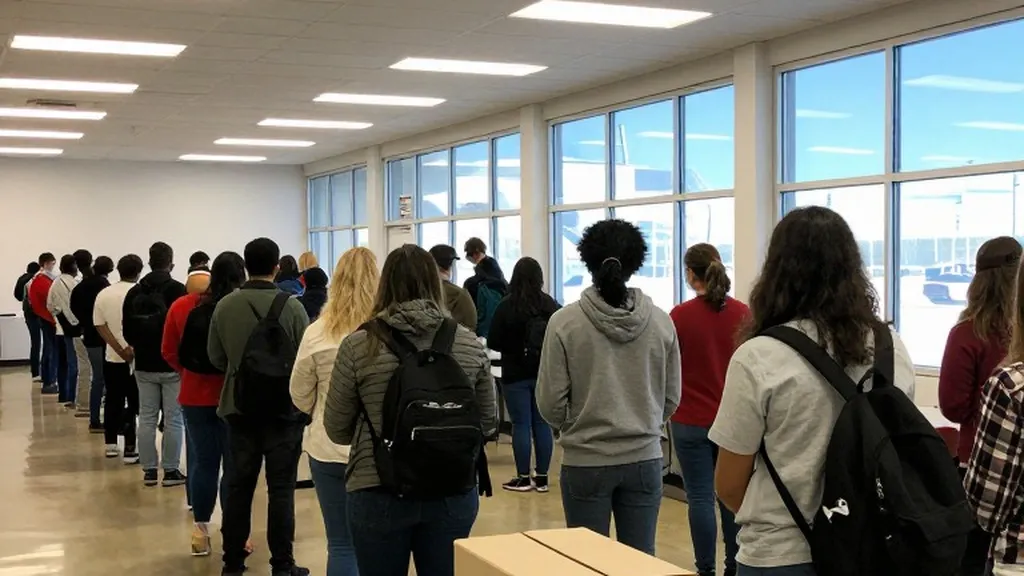
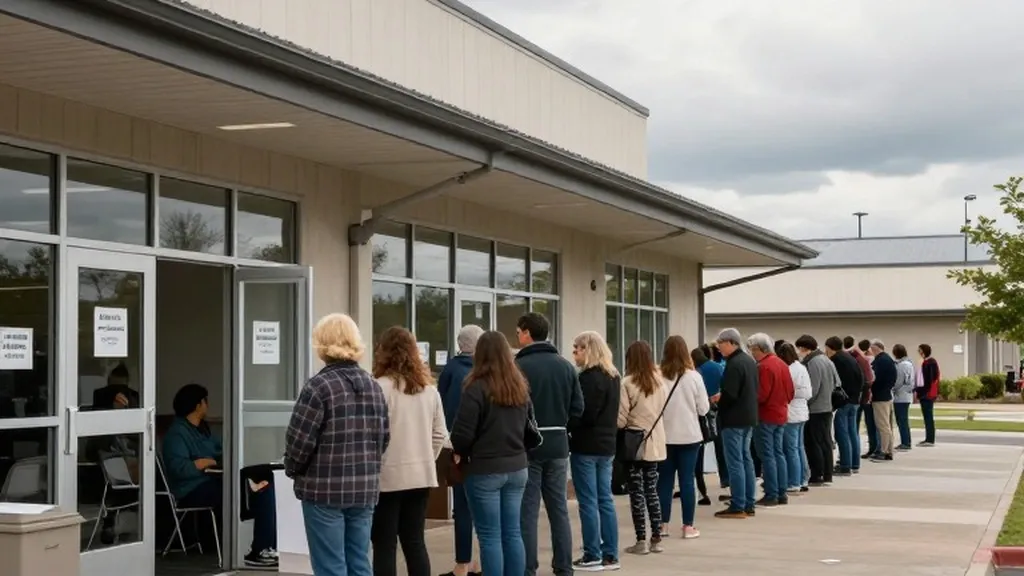
More than 57 million people had already voted as of Monday, surpassing the early vote of four years ago in many closely watched states. This high turnout is a sign of voter engagement on issues that directly impact their wallets, such as healthcare costs and taxes. Voter James Moore, a librarian in Raleigh, North Carolina, stated that he is paying more taxes and more for healthcare, reflecting the broader sentiment that drives the election. These individual experiences aggregate into the macroeconomic trends that Wall Street monitors, making the election a significant event for global financial stability.