What Happened After You Voted: How Results Were Tallied in 2026
With the 2026 midterms concluded, here is how the mechanics of mail ballots, ID rules, and state-level counting shaped the final outcome.
By John Ferrari ·
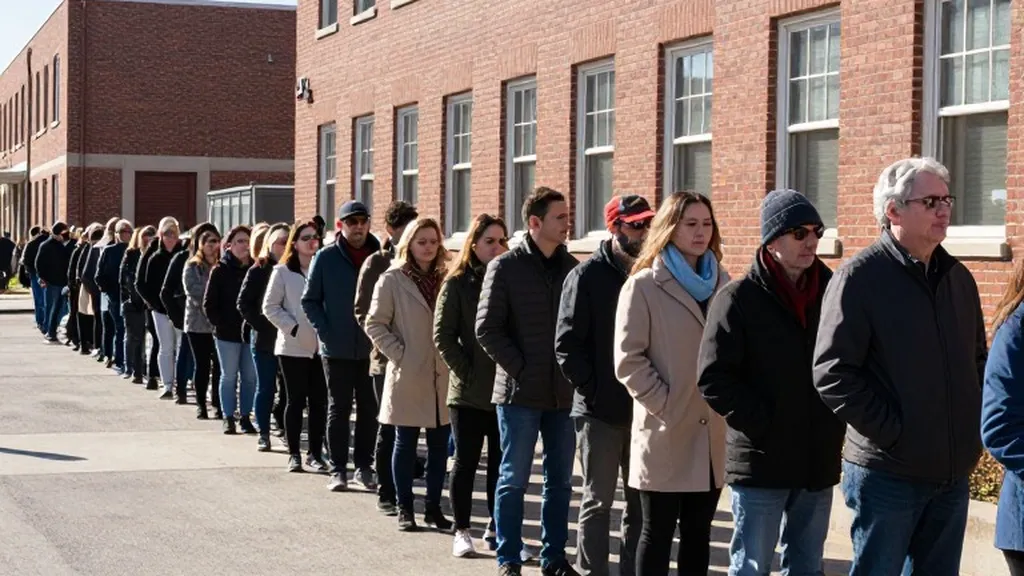
Tuesday, November 3, 2026, marked the final day of in-person voting for the federal and state elections that determined the new balance of power in Washington. While millions of citizens stood in lines at local polling places, the process of casting a ballot was governed by a complex web of state-specific rules regarding hours, identification, and ballot handling. For independents watching the process, understanding these mechanics is key to interpreting the results that have already emerged.
Polling hours varied significantly across the country, reflecting the decentralized nature of American elections. While some states opened polls as early as 6:00 a.m. local time, others did not open until 7:00 a.m. or even later. In many jurisdictions, voters who were already in line when polls closed at 7:00 p.m. or 8:00 p.m. were permitted to cast their ballots, a rule that ensured late arrivals could still participate. This staggered timeline meant that results from western states often lagged behind those from the East Coast, creating a rolling picture of the national outcome over several days.
Before entering the voting booth, voters were required to verify their identity according to strict state laws. These ID rules ranged from requiring a photo identification document, such as a driver's license or passport, to accepting non-photo forms of identification like utility bills or bank statements. In states with strict photo ID laws, election officials were tasked with verifying documents against voter registration records. This step, often the most time-consuming part of the voting process, contributed to the length of lines reported in several high-turnout districts.
Beyond in-person voting, mail ballots played a critical role in the 2026 election cycle. The United States Postal Service handled the delivery of millions of pre-paid mail ballot envelopes, a process that required coordination between state election offices and local post offices. Rules for accepting mail ballots also varied by state. Some states accepted ballots postmarked by Election Day, while others required the physical envelope to be received by a specific deadline, often the close of business on Tuesday. This distinction meant that a mail ballot sent on Election Day could count in one state but not in another, depending on the local regulations.
Once ballots were cast, whether in person or by mail, the counting process began. Election officials in many states used a combination of manual counting and optical scan machines to tally votes. In close races, the margin between candidates was often less than a few hundred votes, leading to a more detailed verification process. This included hand counts of punch cards or the recounting of specific precincts to ensure accuracy. The Associated Press noted that it can take several days after voting for all races to be called, depending on the closeness of the election and the speed of local tallies.
The results of the 2026 midterms have already reshaped the political landscape. According to Ballotpedia, Democrats won majorities in both the U.S. House and Senate. As of 4:00 p.m. EST on November 6, Democrats held at least a 250-157 majority in the House and a 54-44 majority in the Senate. This shift represents a significant swing from the previous cycle, where Republicans held a 53-47 majority in the Senate and a 220-215 majority in the House. The net change in the Senate was at least seven seats, a swing that places this election in the top 20% of election years in terms of seat changes against a president's party.
In state governments, the shift was equally pronounced. Democrats won full control of state legislatures and governorships in at least six states where they previously shared power with Republicans. These states included Arizona, Michigan, Minnesota, Pennsylvania, Nevada, and Wisconsin. In Arizona, Democrats won their first trifecta, controlling both legislative chambers and the governor's office, for the first time since 1966. This outcome follows a period where Democratic Governor Katie Hobbs had vetoed more than 540 measures passed by the Republican-led Legislature, a dynamic that changed with the new legislative majority.
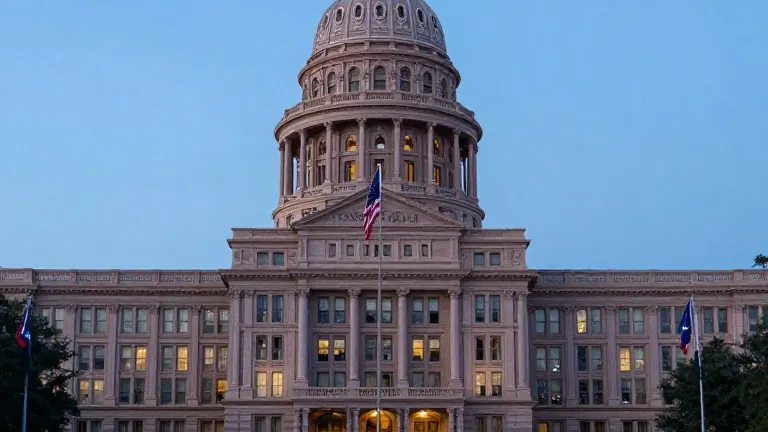
The victory in Texas was particularly notable, as Democrats won the state House for the first time since 2003 and elected Gina Hinojosa as the state's first Democratic governor since 1994. Republicans, however, retained control of the Texas Senate. This mixed result in a large state highlights the complexity of the 2026 electoral map, where party control shifted in some offices but held firm in others. The National Council of State Legislatures indicated that this election was likely to end up as the one with the most legislative seats and chambers changing parties since the 2010 election.
Mail ballot processing was a central focus during the days following the election. With more than 59 million people having cast ballots before Tuesday, according to an Associated Press analysis, the volume of mail ballots was substantial. Election officials worked around the clock to process these ballots, ensuring that signatures matched voter registration records and that deadlines were met. In some states, the processing of mail ballots extended well into the following week, which delayed the final certification of results for certain races.
Identification rules also came under scrutiny as officials verified voter eligibility. In states with strict photo ID requirements, election officials reported that most voters presented valid identification without issue. However, in areas with higher populations of first-time voters or those using non-photo ID, the verification process took longer. These checks are designed to prevent fraud while ensuring that eligible voters are not disenfranchised. The balance between security and accessibility remains a key topic for election officials as they plan for future cycles.