Europe expects less shock from Washington after US midterms
Analysts say a Democratic-controlled Congress offers some checks on the president, but major shifts in foreign policy are unlikely before the new body convenes in January.
By Luana Sato ·
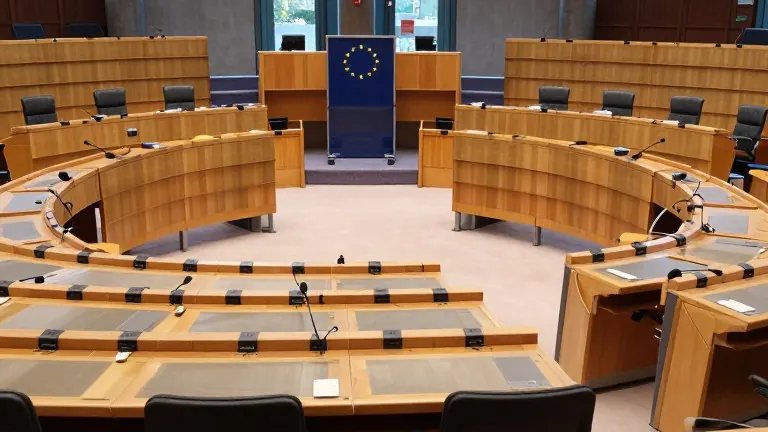
European officials view the United States with less alarm following last week's midterm elections.
The Democratic Party secured control of the House of Representatives. This result changes the balance of power in Washington. However, experts do not expect a sudden reversal in US foreign policy.
Erik Jones, director of the Robert Schuman Centre for Advanced Studies, noted that the trend in transatlantic relations has remained consistent across administrations. He stated that Europeans are looking much less in horror towards the US than they have in the past two years. He added that they should not exaggerate the impact of this election on the broader relationship.
The shift in tone is driven by the new congressional majority. A Democratic-controlled Congress holds more power over federal spending and oversight. It can challenge some of President Donald Trump's decisions. Fredrik Erixon, an economist at the European Centre for International Political Economy, said the Democrats lack a veto-proof majority. He noted that the president retains considerable authority over foreign policy on issues like Ukraine, Iran, and tariffs.
Ukrainian officials face a two-month window before the new Congress takes office in January. They fear Trump may use this period to pursue further talks with Russia. Last week, the president said there would soon be a big, beautiful agreement on Ukraine that might involve all of Europe. These comments came ahead of trilateral talks in Abu Dhabi that have not yet yielded a breakthrough.
The Iran war complicates the situation. Global energy prices have risen, driving protests across Europe. Some Democrats have discussed using the next government funding bill to block flows for the war in Iran. This proposal is popular with antiwar lawmakers but faces hurdles. The trade agreement between Washington and Brussels remains in effect. Erixon said the US administration will not initiate a renegotiation of that agreement in the next two years.
Michele Valensise, president of the Institute for International Affairs, said Trump's moves are difficult to predict. He emphasized the importance of European involvement in contacts aimed at ending the war in Ukraine. The Pentagon is expected to complete its review of US military forces in Europe next month. This review will influence decisions on the size and distribution of American troops on the continent.