FDA clears cheap HIV shot, setting price at $40 for global rollout
The approval of a generic version of lenacapavir aims to solve supply shortages in 120 countries, though the brand-name drug remains locked behind a U.S. patent.
By Luana Sato ·
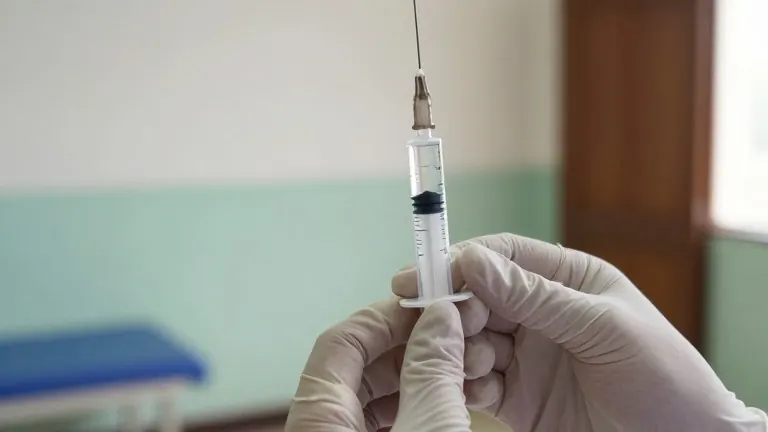
The cost of preventing HIV in low- and middle-income nations is set to drop to $40 per person annually, according to a new generic approval by the U.S. Food and Drug Administration. This price matches the current cost of daily preventive pills but offers a twice-yearly injection schedule that reduces the burden of daily adherence.
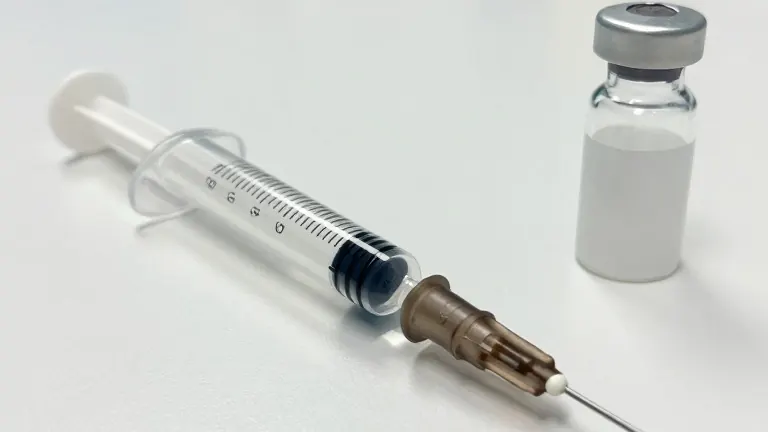
The generic version of lenacapavir, the world's only twice-a-year HIV prevention shot, received FDA clearance on Monday. The decision follows a collaborative effort by developers and health organizations to accelerate the drug's production for the 120 low- and middle-income countries where it is expected to be sold.
Advocates argue that the twice-yearly dosage addresses a major barrier to protection. Carmen Pérez Casas, the HIV lead for the grant-making organization Unitaid, noted that daily pills lose their protective value if a dose is missed. With the new shot, she said, "we are much more hopeful." The medication showed near-elimination of new infections in two studies involving high-risk individuals.
In the United States, the generic cannot be sold because the brand-name version, Yeztugo, is still under patent protection. Manufactured by Gilead Sciences, Yeztugo retails for $28,218 a year before insurance. Gilead officials state this price is comparable to other pre-exposure prophylaxis options. In Canada and the European Union, the drug is known as Yeytuo and was approved by Health Canada earlier this year, though public system coverage is still being negotiated.
The FDA approval is considered "tentative," a standard designation for generics while the originator patent remains active. However, this clearance is designed to speed up regulatory approval in other countries. Until now, Gilead was the sole supplier, and demand in low- and middle-income countries has outpaced supply.
Last year, Gilead signed royalty-free licensing agreements with six generic manufacturers to enable production. These voluntary licenses cover specific regions in sub-Saharan Africa, Asia, and Latin America. A Gilead spokesperson stated in a statement that the company believes it has enabled the "fastest and most sustainable path to expanding access for communities most affected by HIV."
The specific generic approved by the FDA was developed by Dr. Reddy's Laboratories in India. The agreement was brokered by Unitaid, the Clinton Health Access Initiative, and Wits RHI. Carolyn Amole, who leads the HIV program for the Clinton Health Access Initiative, said the affordable option allows them to scale to the 20 million people globally who need pre-exposure prophylaxis. She added that scaling to that level could help bring an end to the HIV epidemic.
The World Health Organization reports that 41 million people lived with HIV last year, and 570,000 died from HIV-related causes. The new generic is expected to reach some locations within weeks, though countries with their own approval processes may face delays. Common side effects of lenacapavir include injection site reactions, headache, and nausea. Patients must be tested for HIV before starting the drug and with each injection to prevent the development of drug-resistant strains.
The Global Fund to Fight AIDS, Tuberculosis and Malaria began rolling out the brand-name drug in South Africa in early 2026. South Africa has approximately eight million people living with HIV, the largest population of any country. Fund officials noted in August that only a generic version would allow the rollout to reach the necessary scale. The generic is now expected to arrive in some areas within weeks, with other manufacturers' versions pending FDA approval.