Gout is treatable but can signal bigger health issues
Gout is painful, common and often missed at first, but it can be treated if caught early.
By John Ferrari ·
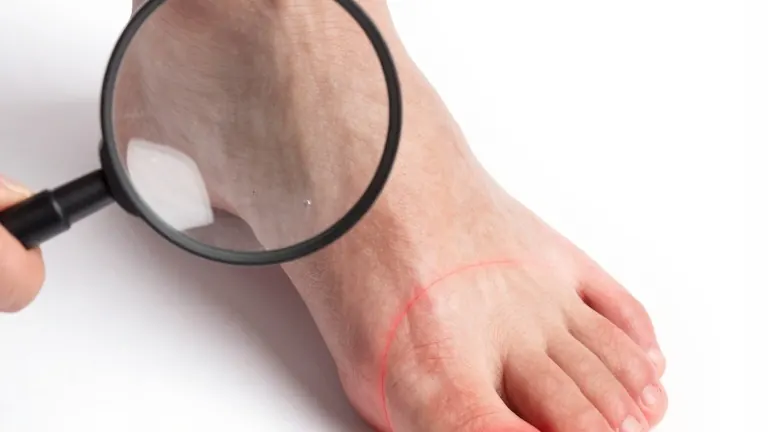
Gout is caused by uric acid building up in the blood, which leads to crystals forming in the joints and other tissues. These crystals trigger a very inflammatory and painful response in the body. The Centers for Disease Control and Prevention says gout is a painful type of arthritis that usually affects a single joint at a time. When most people think of gout, they picture a big toe that is red and throbbing, a condition known as podagra.
The pain from gout is so intense that some describe it as feeling like a shard of glass. Even walking near an affected foot can cause pain. The crystal itself is not what causes the pain, but the immune system is coming after it to attack it. This is because the immune system treats the crystal as a foreign object.
A uric acid buildup can point to something bigger, such as underlying metabolic disease. Many people with gout also have insulin resistance, diabetes or cardiovascular issues. Uric acid also lowers nitric oxide, which makes arteries relax. It’s the same mechanism that’s involved with atherosclerosis, or hardening of the arteries. That’s why it’s so significant to recognize gout early.
Gout has long been called ‘the disease of kings,’ and it has been linked at times to rich foods and alcohol. Aging expert Amy O’Rourke said it comes back to what you put in your body and what you do to keep your body healthy. She said that in her experience, men do not seek treatment as quickly as women. Her advice is to nudge a husband, partner or brother to see a doctor if they show signs of gout.
When treating patients, doctors may put them on allopurinol to lower uric acid. But the same mechanism of action of lowering uric acid can also be achieved with vitamin C, quercetin and luteolin. There are some products that have all three together that you take that will naturally lower the uric acid. As always, consult your health care provider for medical advice. Sugary food and sugary drinks are some of the quickest ways to raise fructose, and that is one of the quickest ways to push insulin high and hold onto uric acid.