Hinojosa defeats Abbott to end 32-year Republican hold on Texas governorship
The 52-year-old Democrat defeated the three-term incumbent in a race decided by issues of affordability, education, and data center expansion.
By John Ferrari ·
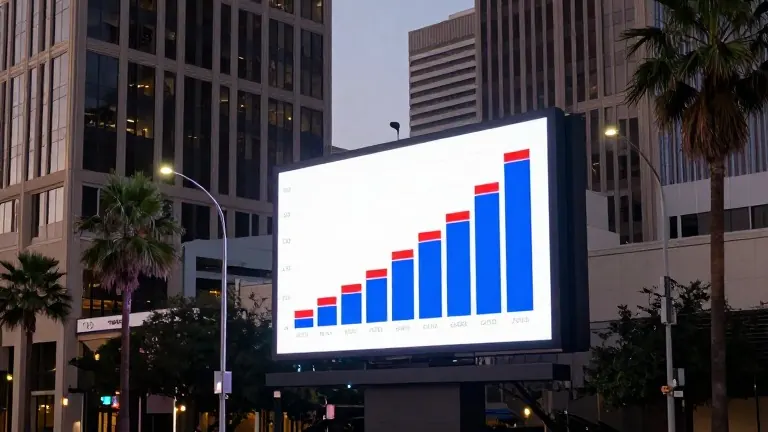
Democrat Gina Hinojosa won the Texas governor's race on Tuesday, defeating incumbent Greg Abbott and ending a 32-year continuous period of Republican control of the office. The victory breaks a political streak that began in 1995 when George W. Bush first took office. Abbott, who has served as governor since January 2015, conceded the election at 10 p.m. Tuesday night. According to AP News data, Hinojosa received 57.1 percent of the vote to Abbott's 41.6 percent.
Abbott acknowledged the results in a statement released Tuesday night. "I love our state. It has been an honor to serve it. And know that we are leaving Texas in far better shape than it's ever been. Together, we've accomplished a lot," he said. The 52-year-old Hinojosa, an Austin-based state representative and former Austin ISD school board president, will now assume the role that Abbott held for nearly 12 years.
The campaign focused heavily on the cost of living, public education, and the rapid development of data centers. Hinojosa proposed a one-time $1,500 refund for Texas households, a freeze on electricity rates, and measures to lower grocery and health care costs. She also criticized the influence of wealthy donors and corporations in state government. Abbott campaigned on a property tax plan that he claimed could cut bills by 50 percent, saving the average homeowner up to $3,000 a year.
Money played a central role in the contest. Abbott raised $117 million for his re-election campaign. A large portion of this funding came from high-profile backers, including Elon Musk, who contributed to one-fifth of Abbott's overall donations. In contrast, Hinojosa's fundraising momentum accelerated in the final weeks of the race. She reported a cash flow of $17.5 million in the last four weeks, with support largely coming from small groups and individual donors rather than single large contributors.
The expansion of data centers became a major point of contention during the election. Abbott initially promoted Texas as the "epicenter" for AI infrastructure. However, the physical construction of these facilities led to intense scrutiny and backlash from local communities. In September, Abbott announced a rollback of the program. He imposed a moratorium on all permits until the state could audit the impact of the buildouts on the electric grid and other resource supplies.
Education policy also divided the two candidates. Abbott's campaign pushed for the expansion of private school vouchers, a plan that redirects tax dollars into education savings accounts for families to use for private tuition. Hinojosa focused on public education and the affordability of state services. Her victory ends a long period in which Texas Democrats had difficulty winning statewide offices.
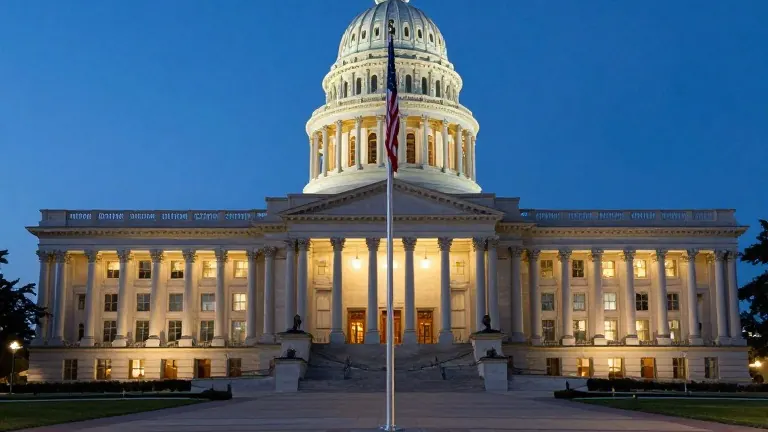
The result marks a shift in the state's political leadership at the Capitol. Hinojosa's win concludes the tenure of Abbott, who entered office in 2015. The election result reflects voter preference for the Democratic platform on economic relief and infrastructure management over the Republican agenda.