iPod 25th Anniversary: The pocket-sized device that changed how we listen to music
A quarter century ago, Apple introduced a 5GB player that fit a thousand songs in a space the size of playing cards.
By John Ferrari ·
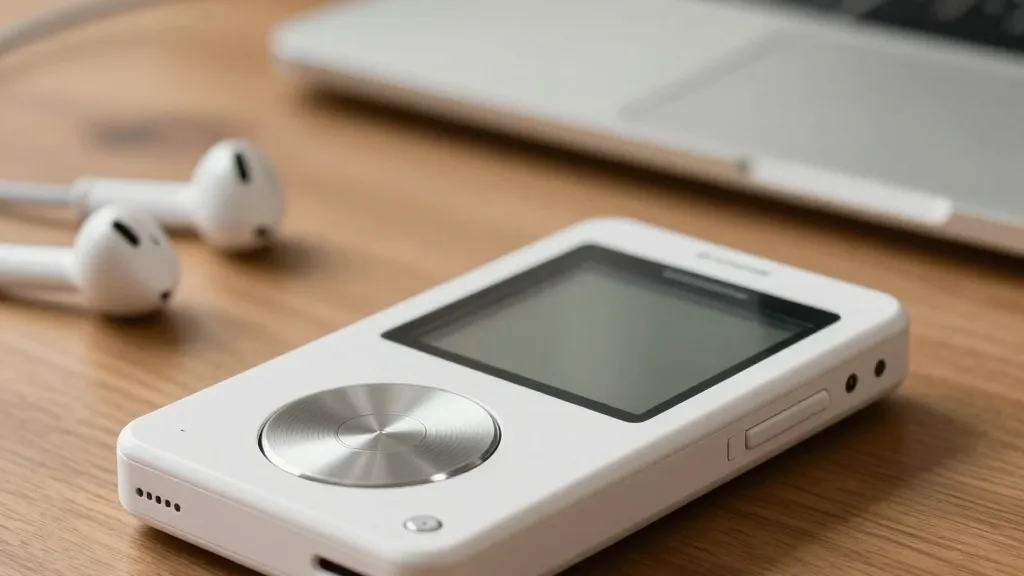
For music lovers, the landscape of portable audio shifted permanently 25 years ago when Apple introduced a device that promised to hold an entire library in your pocket. Before the smartphone became the default audio player, this gadget defined the experience of carrying music anywhere. It offered a specific, tangible value proposition: a $399 price tag for 5GB of storage that could store 1,000 songs. This was a massive leap for consumers who previously had to choose between limited flash memory or clunky CD players.
Steve Jobs unveiled the product on this day in 2001, initially teasing it as a breakthrough digital device that was not a Mac. At the time, Apple had successfully recovered from the dot-com bubble burst with its Mac OS X era devices. Jobs envisioned the computer as the hub for all digital media, including cameras and DVD players. He recognized that while competitors like Sony and Creative had portable players, none had found the right recipe for digital music. Apple chose to enter the market with hard disk-based technology to maximize storage capacity.
The physical design was a key selling point, made possible by Toshiba’s ultra-compact 1.8-inch hard drive. The device measured 2.4 by 4 by 0.78 inches and weighed just 6.5 ounces, making it lighter than most cell phones of the era. Jobs described it as the size of a deck of cards. This portability was paired with CD-quality sound and support for popular formats like MP3, WAV, and AIFF. The specific calculation for the 1,000-song capacity referred to typical pop songs encoded at 160Kbps.
Performance was boosted by a FireWire 400 connection, which Apple marketed as the first and only music player with this feature. Jobs claimed that transferring an entire CD to the device took only five to 10 seconds. In contrast, USB connections of the time required about five minutes for the same task. To fully load the 1,000-song library, the FireWire connection took roughly 10 minutes, compared to five hours for a USB-based player. The device also featured 20-minute skip protection and a rechargeable lithium-polymer battery that provided 10 hours of playback.
Ease of use was central to the design, featuring a piezoelectric clicker that provided tactile feedback for the scroll wheel. This allowed users to navigate by playlist, artist, or song with one hand. The launch was accompanied by iTunes 2, which included Auto-Sync functionality. This feature ensured that any music library curated on a Mac would automatically sync to the player upon connection. The device could also function as a FireWire hard drive. During the presentation, the first song demoed was 'Building a Mystery' by Sarah MacLachlan.
The product line endured for nearly two decades, eventually overlapping with the iPhone, which launched in 2007. The final model, the 7th-generation iPod Touch, appeared in May 2019. Although the line was left unmaintained for a few years, Apple officially discontinued the iPod in May 2022. Today, the original device stands as a milestone in consumer electronics, marking the moment when digital music moved from the desktop to the pocket.