Rubio Defends Eight-Month Iran War as Necessary Despite GOP Setbacks
The Secretary of State argued that strategic necessity outweighed political cost, even as fuel prices rose and Democrats gained control of Congress.
By Luana Sato ·
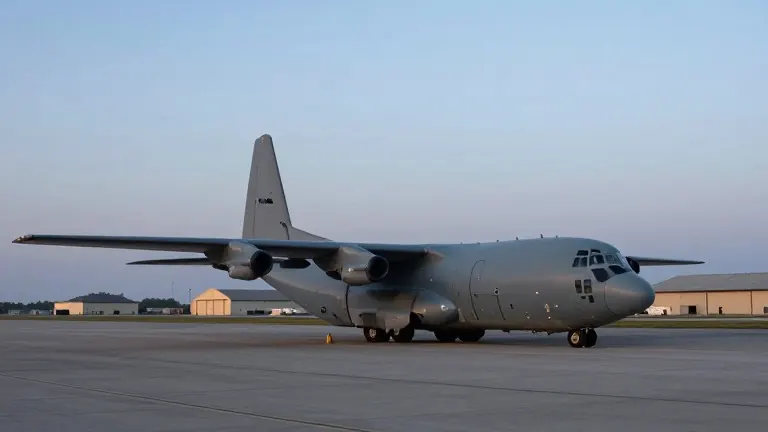
Secretary of State Marco Rubio defended the U.S. military campaign against Iran on Sunday, stating that the conflict was necessary to protect global security from nuclear ambitions, even if it lacked public support. Speaking from Homestead Air Reserve Base in Florida, Rubio acknowledged that doing the right thing for national security is not always popular, but he insisted it was required.
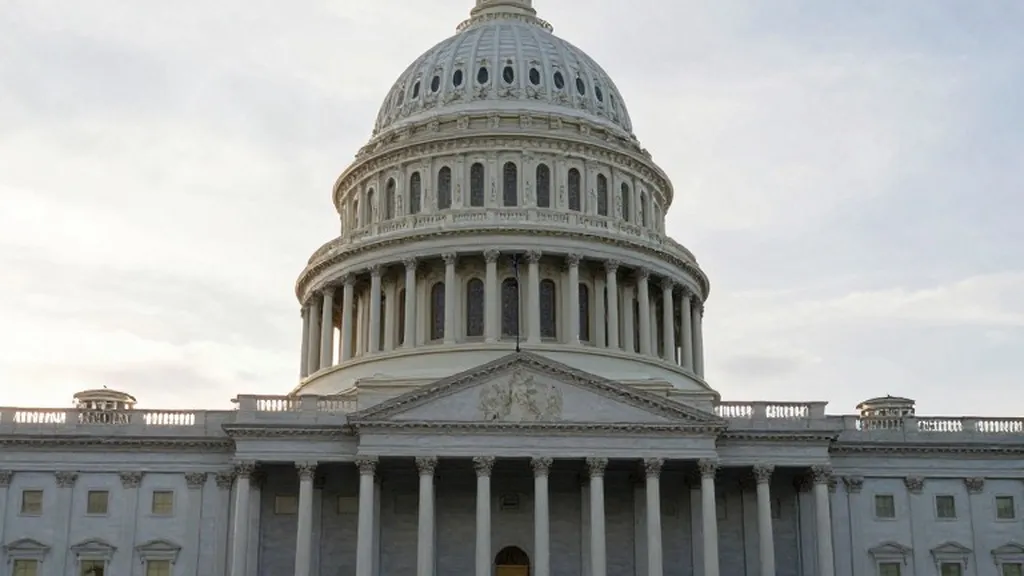
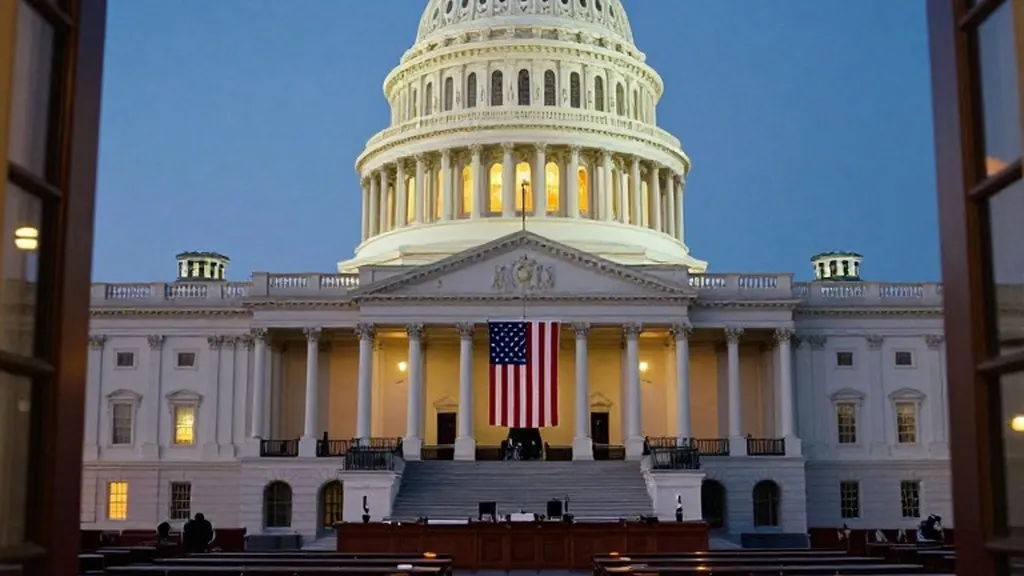
The defense comes after Republicans suffered a decisive defeat in the Tuesday elections, a result analysts attribute in part to voter dissatisfaction with the war and its economic fallout. Democrats used the conflict to regain control of Congress, capitalizing on rising gasoline prices and broader economic concerns. Rubio avoided a direct critique of these results, instead focusing on the strategic rationale for the engagement.
The war has continued for more than eight months. During this period, disruptions in shipping through the Strait of Hormuz have affected global oil supplies. In peacetime, this waterway handles one-fifth of the world's commercially traded oil. The resulting price increases have hit U.S. consumers, creating a tangible link between the conflict and the cost of living that influenced the election outcome.
Rubio’s comments place him at odds with Vice President JD Vance, who publicly blamed the war for the Republican losses last week. Both men are viewed as potential presidential candidates for 2028. President Donald Trump addressed this tension on Sunday, praising Rubio in an interview with 60 Minutes while also validating Vance’s perspective on the election impact. Trump stated that if he had to make the decision again, it would stand as one of the best actions taken by the administration.
The President warned that if Iran had obtained a nuclear weapon, the country would have detonated it to "blow up the world." He maintained that the U.S. is not currently seeking to intensify military actions but remains prepared to act if necessary. This stance aligns with Rubio’s assessment that diplomacy is preferred but has not yet produced a breakthrough.
Rubio noted that Iranian demands for a deal are often unrealistic and, in some cases, ridiculous. He said the administration is not close to an advance in negotiations. Mediators, including Qatar, are working to restart talks, but Iran is reviewing proposals that address nuclear differences. Teheran has indicated it will not negotiate fully until the U.S. meets several core conditions, such as ending the naval blockade, lifting sanctions, and unfreezing assets.
Additional Iranian demands include compensation for war damage and a halt to hostilities across the region, including Israeli operations in Lebanon. The U.S. has identified 38 bridges as potential infrastructure targets should military actions resume. Trump told CNN that a strong agreement is the goal, making renewed attacks unlikely if progress continues.
Military operations have remained limited recently. U.S. forces conducted strikes on Iranian air defenses at least twice in the last week. On Saturday, the military disabled a commercial vessel that attempted to break the naval blockade of Iranian ports. Rubio stated the U.S. retains the right to defend itself if there is a clear and imminent threat to navigation or regional forces.