Voters Weigh Iran War and Inflation in Midterm Fight
The conflict with Iran has become a central issue as Americans decide who controls Congress, with both parties citing the war's impact on national security and the economy.
By Luana Sato ·
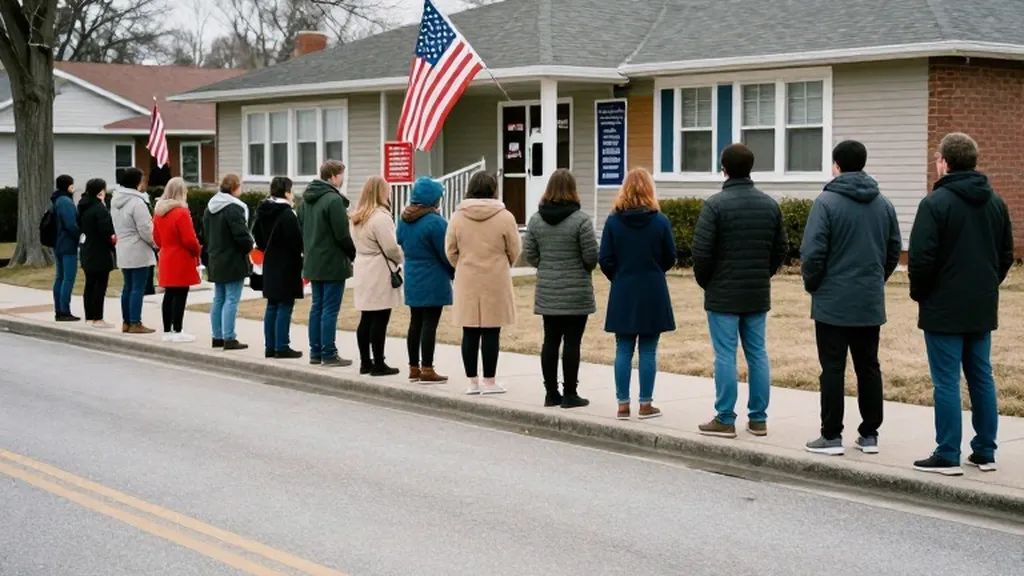
Election Day has arrived in the United States, marking the midpoint of President Donald Trump's second term. Voters across all fifty states are casting ballots to determine which party will control the House of Representatives and the Senate for the final two years of the administration. The Associated Press describes the contest as a referendum on the president's performance, noting that many citizens are struggling with high prices and are angry over an unpopular war with Iran. This conflict has moved to the forefront of the national debate, shaping the arguments made by candidates from both major parties.
The war with Iran serves as a primary point of contention in this election. Republicans argue that the military action was necessary to protect national interests and that a strong executive branch is required to manage such complex foreign policy challenges. They suggest that maintaining control of Congress will allow for continued support of the administration's strategic decisions. Democrats counter that the war has diverted attention from domestic economic issues and increased the cost of living for average Americans. They frame the election as a choice between prioritizing the economy or continuing overseas military engagements.
Polling data and NORC indicates that 35% of U.S. Adults currently approve of President Trump's job performance. Only 25% approve of his handling of the economy, and about seven in ten voters say the country is heading in the wrong direction. Most respondents in this polling group blame the president for high prices. This economic anxiety intersects with the war issue, as voters weigh the cost of military operations against the strain on household budgets. The conflict has become a tangible example of the broader tensions facing the nation.
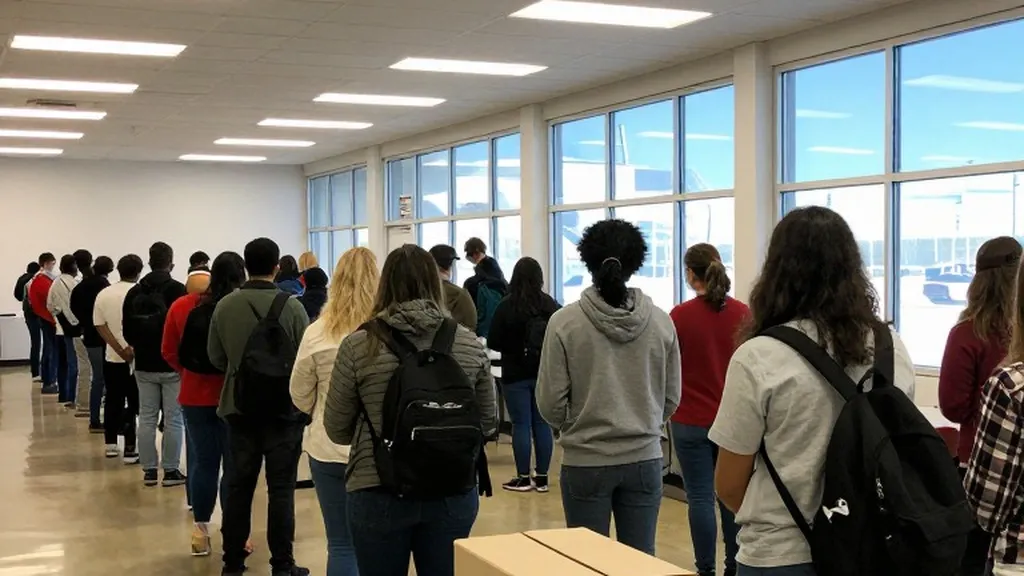
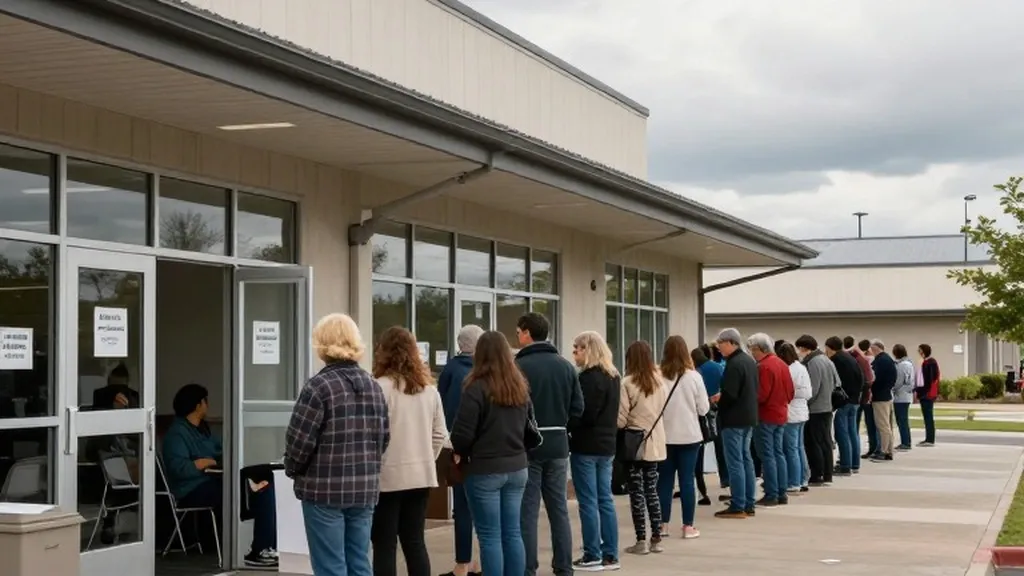
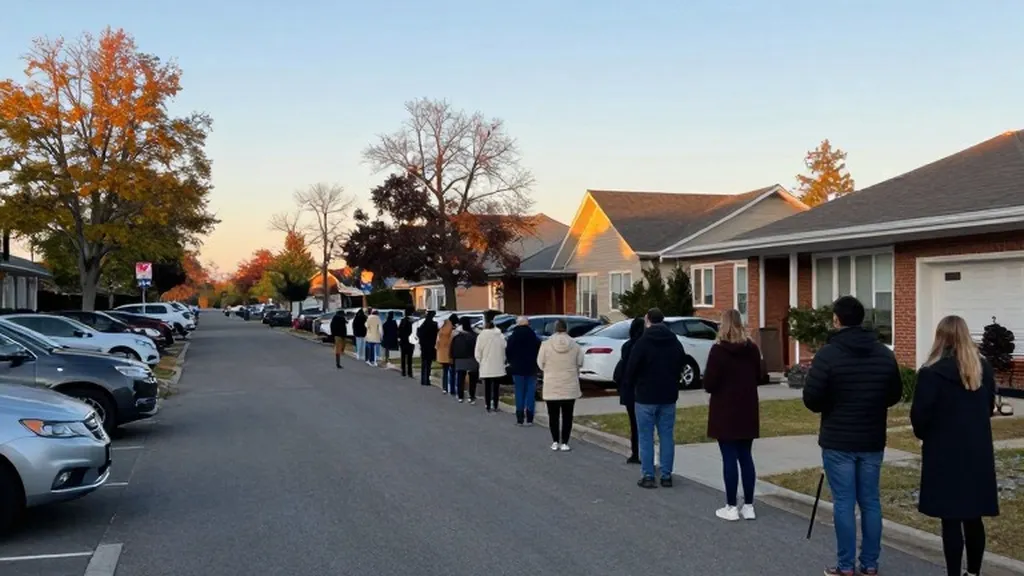
More than 57 million people had already voted as of Monday, surpassing the early vote totals from four years ago in many closely watched states. This high level of early participation suggests that the issue of the war and the economy have mobilized a significant portion of the electorate. Republicans were bracing for the possibility of losing the House while fighting to hold the Senate. The AP notes that one or two seats could tip the balance in either chamber. Democrats described their mood as cautiously optimistic, believing that voter dissatisfaction with the status quo could drive a shift in power.
President Trump held dozens of rallies to support Republican candidates, ending his schedule on Sunday in Salina, Kansas. He told the crowd, "I really want you to pretend I'm on the ballot." His schedule included stops in Mississippi, South Carolina, and Texas. Many Republican candidates kept their distance from the president during the final stretch of the campaign. This dynamic reflects a broader tension within the party as candidates seek to balance loyalty to the administration with the need to appeal to moderate voters who are concerned about the war and the economy.
The administration has continued to make claims about voting fraud, including that noncitizens vote in large numbers. The administration sued in Alaska and California, and Democrats fear interference and intimidation as the Justice Department threatens to prosecute local election officials. A federal judge temporarily barred the administration from carrying out a plan it says would prevent noncitizen voting on Monday. Critics argue that this move risks disenfranchising eligible voters and infringes on states' authority over elections. These administrative battles add a layer of complexity to an election already dominated by the debate over the Iran war.
Money has played a significant role in the campaign, with the 2026 elections likely to be the most expensive in history. Republican committees outraised and outspent Democratic committees, helped by Trump-affiliated groups and Elon Musk. However, at the candidate level, Democrats outraised their opponents. According to AP analysis of AdImpact data, 88.1% of Republican general election TV ad spending went to states and districts that Trump won in 2024. This spending strategy highlights the focus on consolidating support in areas where the president's approval ratings and views on the war are most influential.
Joe Gruters, the Chairman of the Republican National Committee, stated, "Everything depends on turnout. If we turn out our voters, we win, and that's what we've been planning for." Suzan DelBene, the Chair of the Democratic Congressional Campaign Committee, countered with, "The American people are angry. They want change." These statements encapsulate the differing strategies of the two parties as they seek to mobilize their bases. The outcome of the election will determine whether the party in power can maintain its legislative agenda or face increased scrutiny from the opposition.
If Democrats win even one chamber, investigations and possible impeachment proceedings become likely. House Democratic Leader Hakeem Jeffries would be the first Black speaker and has outlined a 100-day agenda focused on the cost of living and oversight. A strong Democratic night would also boost potential 2028 candidates such as Gavin Newsom, JB Pritzker, and Pete Buttigieg. For Republicans, a victory would allow them to continue their current trajectory and potentially complicate the path of Vice President JD Vance. The stakes are high as voters head to the polls to make their final decision.
Voters in various states are casting their ballots under differing schedules and conditions. In states like California and Oregon, the election is largely conducted by mail, while others use traditional polling places. The U.S. Postal Service has added hours, staff, and special lines to ensure mail ballots are counted on time. Wall Street is watching the results closely, as Reuters notes that the outcome could add to investor concerns about AI spending and debt ceiling negotiations. The war with Iran remains a backdrop to these financial considerations, influencing how both parties position themselves in the final hours of the campaign.